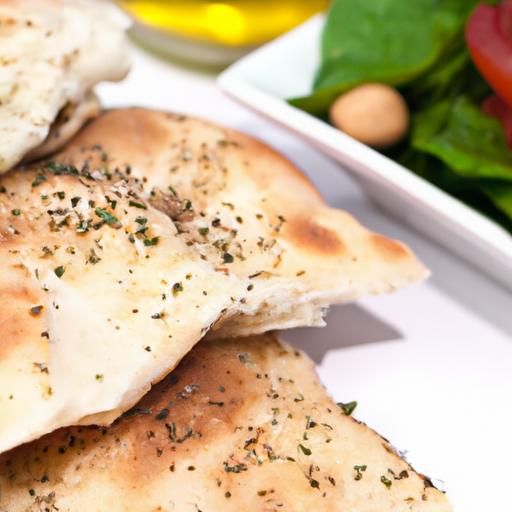

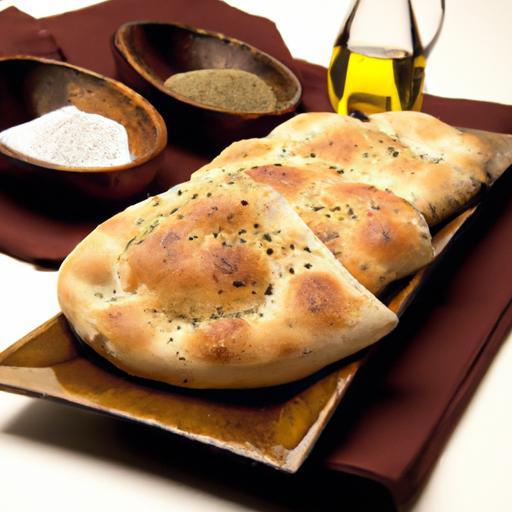
There’s something profoundly comforting about the warm embrace of freshly baked bread, especially when it carries the rich, nutty aroma of whole wheat and the ancient, aromatic whisper of za’atar.Enter the wholesome whole wheat pita-a humble yet remarkable canvas that transforms with the magic of fragrant olive oil and the tangy, herbaceous blend of za’atar. This delightful pairing not only honors centuries-old culinary traditions but also embraces a modern crave for wholesome, nourishing flavors. In this article, we’ll journey through the art and science behind crafting the perfect whole wheat pita and explore how a drizzle of olive oil and a sprinkle of za’atar can elevate a simple flatbread into a soul-satisfying experiance that’s both healthy and irresistibly delicious.
Wholesome Whole Wheat Pita with Za’atar & Olive Oil Magic
Wholesome whole wheat pita with za’atar & olive oil magic brings a sensory journey straight to your kitchen, blending the nutty depth of whole wheat flour with the herbaceous, tangy allure of za’atar. This recipe is not just about baking bread; it’s about unlocking layers of flavor and nutrition that transform simple ingredients into an extraordinary culinary experience.
Originating from the warm Mediterranean and Middle Eastern kitchens, this pita captures centuries of tradition while embracing the healthful benefits of whole wheat. The aromatic za’atar invites a touch of ancient spice markets, and the rich olive oil adds buttery softness and an irresistible aroma. Whether you crave a wholesome snack or a perfect accompaniment to your meals, this recipe delivers both authenticity and nourishment in every fluffy pocket.
Prep and Cook Time
- readiness: 20 minutes
- Proofing: 1 hour 30 minutes (including 2 rises)
- Baking: 8-10 minutes
- Total Time: Approximately 2 hours
Yield
Makes 8 medium-sized whole wheat pita pockets
Difficulty level
Medium: requires basic dough handling skills with some patience during proofing
Ingredients
- 2 cups whole wheat flour, sifted
- 1 cup all-purpose flour, sifted (for balance and softness)
- 1 packet (7g) active dry yeast
- 1 ¼ cups warm water (105°F-110°F)
- 2 tbsp extra virgin olive oil, plus more for brushing
- 1 tsp sea salt
- 1 tsp honey (or maple syrup for vegan option)
- Za’atar spice blend (freshly ground or store-bought), for topping
Instructions
- Activate the yeast: In a small bowl, mix the warm water and honey, then sprinkle the yeast on top. Let it sit for 5-10 minutes until frothy and bubbly, signaling active yeast.
- Mix the dry ingredients: In a large bowl, combine the whole wheat flour, all-purpose flour, and sea salt. Stir gently to distribute.
- Incorporate wet ingredients: Create a well in the flour mixture and pour in the yeast mixture along with 2 tablespoons of olive oil.Use a wooden spoon or your hands to gradually bring the dough together.
- Knead the dough: Transfer the dough to a floured surface and knead for 8-10 minutes, until smooth, elastic, and slightly tacky. Add small amounts of flour if the dough sticks excessively, but avoid over-flouring.
- First proof: Lightly oil a clean bowl with olive oil, place the dough inside, and cover with a clean kitchen towel or plastic wrap. Let rise in a warm, draft-free spot for about 1 hour, or until doubled in size.
- Preheat the oven: Place a baking stone or inverted baking sheet on the middle rack and preheat your oven to 475°F (245°C). Allow at least 30 minutes for the stone to heat thoroughly.
- Shape the pita: Punch down the dough to release air. Divide into 8 equal parts and gently shape each into a ball. On a lightly floured surface, roll each ball into a 6-inch circle, about 1/4-inch thick.
- Second proof: Cover the rolled dough rounds lightly and let rest for 10 minutes to relax the gluten, which helps achieve perfect puffing during baking.
- Prepare za’atar topping: In a small bowl,mix 2 tablespoons of za’atar with 1 tablespoon of olive oil to form a fragrant paste.
- Bake the pita: Carefully transfer 2-3 dough rounds at a time onto the preheated baking stone using a floured peel or parchment paper. Bake for 5-6 minutes until the pitas puff up and turn golden with slightly blistered edges.
- brush with olive oil and za’atar: Remove pita from the oven and immediately brush with the za’atar olive oil mixture.The warmth will unlock the spices’ aroma and add a glossy finish.
- Cool and serve: Place the pitas on a wire rack to cool slightly before serving. Repeat baking and brushing with remaining dough rounds.
Tips for Success
- Flour Choice: Combining whole wheat and all-purpose flour balances nutrition and softness. For a denser, more fiber-rich pita, use 100% whole wheat but expect a chewier texture.
- Water Temperature: Ensure your water is warm but not hot to avoid killing the yeast-ideal temperature is between 105°F-110°F.
- proofing: Allow ample time for the dough to rise well. If your kitchen is cool, place the dough in a slightly warm oven (turned off) to encourage fermentation.
- Rolling Technique: Roll gently and avoid pressing too thin; thin doughs may fail to puff properly and end up crispy rather than soft pockets.
- Baking Surface: A very hot baking stone or heavy inverted sheet is key for rapid oven spring and puffing.
- Make-Ahead: Pitas freeze beautifully. Wrap cooled pitas in foil or airtight bags and freeze for up to a month. Reheat wrapped in foil at 350°F for 5-7 minutes.
Serving Suggestions
Serve these wholesome whole wheat pita pockets warm, filled with vibrant ingredients or simply alongside your favourite dips. Consider stuffing with roasted vegetables, grilled chicken shawarma, or creamy hummus layered with fresh cucumber, tomato, and a drizzle of tahini. Garnish with a sprinkle of za’atar and a light drizzle of extra virgin olive oil to amplify the earthy, nutty flavors.
They also shine as an elegant appetizer sliced into wedges paired with labneh, olives, and sumac-dusted roasted nuts for a mezze table that invites conversation and indulgence.

| Nutrient | Per Serving (1 pita) |
|---|---|
| Calories | 150 kcal |
| Protein | 5 g |
| Carbohydrates | 28 g |
| Fat | 3 g (mostly from olive oil) |
For more Middle Eastern inspired bread recipes, check out our Homemade Lavash Bread Guide.
Learn more about the healthful qualities of za’atar and its conventional uses from medical News today.
Q&A
Q&A: wholesome Whole Wheat Pita with Za’atar & Olive oil Magic
Q1: What makes whole wheat pita a wholesome choice compared to regular white pita?
A1: Whole wheat pita is a nutritional powerhouse! Unlike its white flour counterpart, it retains the bran and germ of the wheat kernel, packing more fiber, vitamins, and minerals. This means better digestion, sustained energy, and a richer, nuttier flavor that elevates every bite.
Q2: How does za’atar transform the flavor profile of this pita?
A2: Za’atar is like a sprinkle of Middle Eastern sunshine-an aromatic blend of thyme,sumac,sesame seeds,and salt.When paired with warm whole wheat pita, its tangy, earthy, and slightly nutty notes create an irresistible dance on your taste buds.It’s magical how one simple spice mix can turn humble bread into a culinary festivity!
Q3: Why is olive oil considered “magic” in this recipe?
A3: Olive oil isn’t just a cooking staple; it’s liquid gold. Drizzling extra virgin olive oil onto warm pita releases a fruity, peppery aroma, enhances the texture, and helps the za’atar spices bloom. This luscious, silky layer brings harmony to the dish, binding flavors and enriching each mouthful with Mediterranean charm.
Q4: Can whole wheat pita with za’atar and olive oil be part of a balanced meal?
A4: Absolutely! This trio serves as a hearty snack or a vibrant appetizer and pairs wonderfully with fresh veggies, creamy hummus, or protein-packed dishes like grilled chicken or falafel. The fiber and healthy fats keep you satisfied, making it both a nourishing and scrumptious choice.
Q5: What’s the best way to serve and enjoy this pita?
A5: Serve your whole wheat pita warm-straight from the oven or lightly toasted. Generously brush with fragrant olive oil,sprinkle your za’atar,and savor it solo or alongside dips and salads. For an extra touch, top with crumbled feta or a squeeze of lemon for brightness. Enjoying it fresh enhances the magic!
Q6: Can I make this recipe gluten-free or vegan?
A6: While traditional whole wheat pita contains gluten, gluten-free pita alternatives exist using flours like chickpea or rice. Za’atar and olive oil are naturally vegan, making this a flexible, inclusive recipe. Experimenting with gluten-free bread options ensures everyone can join the za’atar and olive oil celebration!
Q7: What’s the cultural significance of za’atar and pita in Middle Eastern cuisine?
A7: Za’atar and pita have nourished Middle Eastern families for centuries, symbolizing hospitality and comfort. Za’atar blends vary by region,often passed down through generations like treasured heirlooms. Paired with pita, they represent the heart of home-cooked meals, shared stories, and the joy of simple, wholesome food.
Enjoy turning your kitchen into a fragrant haven with this wholesome whole wheat pita, za’atar, and olive oil magic. It’s not just food-it’s a sensory journey to sunlit Mediterranean tables!
In Summary
As the warm aroma of za’atar and olive oil lingers in the air, our wholesome whole wheat pita becomes more than just bread-it transforms into a celebration of tradition, health, and flavor. Whether you’re dipping, wrapping, or simply savoring its nutty essence, this humble pita reminds us that magic frequently enough lies in the simplest ingredients, thoughtfully combined. So next time you seek a nutritious yet enchanting bite, let this za’atar-kissed whole wheat pita be your go-to companion-a delicious bridge between ancient culinary wisdom and modern wholesome living.