
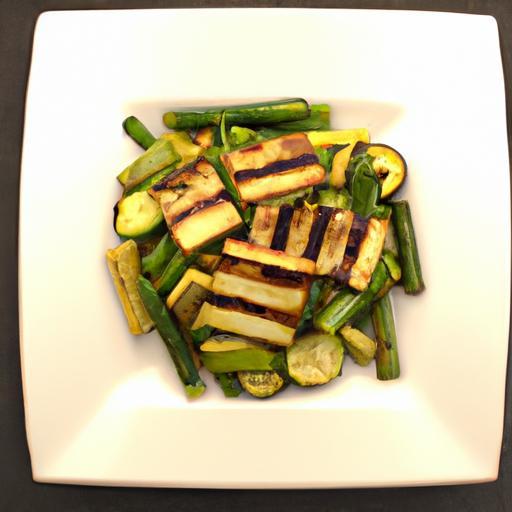
In a world where food is more than sustenance-where every bite tells a story of culture, health, and values-a quite revolution is unfolding on our plates. The rise of vegetarianism is not just a fleeting trend; it’s a profound shift reshaping how we think about nourishment, the surroundings, and compassion. From bustling urban centers to serene rural landscapes, people are embracing plant-based choices that honor the body, the planet, and the diversity of life.This article explores the vibrant journey of vegetarianism-uncovering its roots, its ripple effects, and how these nourishing choices are becoming a deliciously inclusive movement for all.
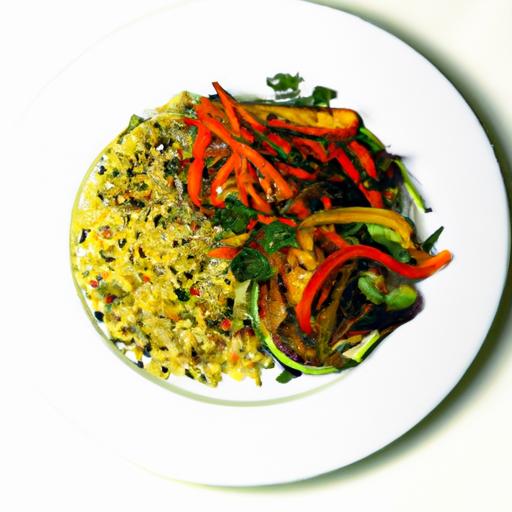
The Rise of Vegetarianism has brought forward a delicious, nutrient-packed recipe that exemplifies the best of plant-based living: a vibrant Quinoa & Roasted vegetable Buddha Bowl. This dish honors global culinary traditions, combining earthy quinoa from the andean highlands with Mediterranean-inspired roasted veggies, creating a harmony of textures and flavors. Inspired by my travels and passion for colorful, wholesome plates, this bowl is as nourishing for the soul as it is indeed for the body-perfect for anyone making the shift toward a balanced vegetarian lifestyle.
Prep and Cook Time
Readiness: 15 minutes
Cooking: 30 minutes
Total Time: 45 minutes
Yield
Serves 4 hearty portions
Difficulty Level
Easy - Ideal for both beginners and experienced home cooks
Ingredients
- 1 cup organic quinoa, rinsed
- 2 cups water or vegetable broth
- 1 medium sweet potato, peeled and cubed
- 1 red bell pepper, sliced
- 1 zucchini, sliced into half-moons
- 1 cup broccoli florets
- 2 tbsp extra virgin olive oil
- 1 tsp smoked paprika
- Salt and freshly ground black pepper, to taste
- 1 avocado, sliced
- 1/4 cup fresh parsley, chopped
- 1/4 cup toasted pumpkin seeds
- Juice of 1 lemon
- For the tahini dressing:
- 3 tbsp tahini
- 2 tbsp warm water
- 1 tbsp lemon juice
- 1 tsp maple syrup or agave
- 1 clove garlic, minced
- Pinch of salt
Instructions
- Cook the quinoa: In a medium saucepan, combine rinsed quinoa and water or vegetable broth. Bring to a boil, then lower heat, cover, and simmer for 15 minutes until quinoa is fluffy and liquid absorbed. Remove from heat and fluff with a fork.
- Prepare the vegetables: Preheat your oven to 425°F (220°C). On a large baking sheet, toss sweet potato cubes, red bell pepper, zucchini, and broccoli florets with olive oil, smoked paprika, salt, and pepper.
- Roast the vegetables: Spread veggies in a single layer and roast for 20-25 minutes, turning halfway through, until golden and tender.
- Make the tahini dressing: Whisk together tahini, warm water, lemon juice, maple syrup, minced garlic, and salt in a small bowl until creamy and smooth. Add more water if needed to reach pourable consistency.
- assemble the Buddha bowl: Divide quinoa evenly among four bowls. Top with roasted vegetables, sliced avocado, a sprinkle of fresh parsley, and toasted pumpkin seeds for crunch.
- Drizzle and serve: Generously drizzle tahini dressing over each bowl, then finish with a squeeze of fresh lemon juice to brighten flavors. enjoy immediately.
Tips for Success
- You can swap the quinoa for other grains like farro or millet for variety.
- Roast your favorite seasonal veggies according to what’s fresh-carrots, asparagus, or eggplant work beautifully.
- Make the tahini dressing a day ahead to deepen the flavors; store in an airtight container in the fridge.
- For extra protein, add cooked chickpeas or toasted nuts, enhancing both texture and nutrient density.
- Ensure even roasting by cutting vegetables into similar sizes and spreading them out on the baking sheet.
Serving Suggestions
This Buddha bowl shines as a vibrant lunch or light dinner. Serve with warm, crusty whole grain bread or a side of lightly dressed baby greens for balance.Garnish with microgreens or edible flowers for an appealing visual pop and extra nutrients. A chilled herbal tea or sparkling water with lemon pairs perfectly to refresh the palate.

| Nutrient | Per Serving |
|---|---|
| Calories | 380 kcal |
| Protein | 12 g |
| Carbohydrates | 52 g |
| Fat | 14 g |
Embracing The Rise of Vegetarianism through recipes like this Buddha bowl taps into not just health and sustainability but also culinary adventure. To explore more nourishing vegetarian dishes and get inspired, check out our full collection of plant-based recipes. For further insights on the benefits of plant-based diets, visit Harvard T.H.Chan School of Public Health.
Q&A
Q&A: The Rise of Vegetarianism – Nourishing Choices for All
Q1: What’s fueling the recent surge in vegetarianism around the globe?
A1: Imagine a movement sparked by compassion, health, and sustainability all at onc. People today are more mindful about what’s on their plates-driven by concerns over animal welfare, the environmental impact of meat production, and a desire to lead healthier lives.social media and celebrity endorsements have also turned vegetarianism into a vibrant, accessible lifestyle rather than a niche trend.
Q2: how does vegetarianism benefit individual health?
A2: Think of your body as a garden-it thrives when nurtured with nutrient-rich foods. Vegetarian diets often emphasize fruits, vegetables, whole grains, and legumes, which are packed with fiber, vitamins, and antioxidants. This bounty can lower risks of heart disease, diabetes, and even certain cancers while promoting a healthy digestive system and weight management.
Q3: Can vegetarianism truly be satisfying and diverse?
A3: Absolutely! Gone are the days when vegetarian food meant just salads and steamed veggies. today, culinary creativity shines with plant-based burgers, vibrant curries, creamy nut-based cheeses, and decadent desserts made from natural ingredients. The world’s cuisines offer an endless palette of flavors and textures that make every meal an adventure.
Q4: what impact does choosing a vegetarian lifestyle have on the planet?
A4: Picture the Earth taking a deep, refreshing breath every time someone opts for plant-powered meals. Meat production is resource-intensive-demanding vast amounts of water, land, and energy, and it substantially contributes to greenhouse gas emissions. Embracing vegetarianism can reduce your environmental footprint, conserve precious resources, and support biodiversity.
Q5: Is vegetarianism suitable for everyone?
A5: While vegetarianism can be nourishing for most, it’s critically importent to plan thoughtfully. Like any diet, it requires attention to essential nutrients such as protein, iron, vitamin B12, and omega-3 fatty acids. With the wealth of plant-based options and,if needed,supplements,most people can thrive on vegetarian diets. Consulting a healthcare professional ensures a balanced, personalized approach.
Q6: How can someone transition smoothly to a vegetarian lifestyle?
A6: Start with curiosity rather than pressure. Experiment with “Meatless Mondays,” explore new recipes, and swap ingredients gradually. Discovering exciting plant-based foods and community support can transform the journey into a joyous exploration. Remember, nourishing choices come in many forms-there’s no one “right” path, just the one that feels good for you.
Q7: What does the future hold for vegetarianism?
A7: The horizon is bright and green. Advances in food technology, like cultured meats and innovative plant-based substitutes, along with growing awareness, suggest that vegetarianism will become an even more integral part of our global food culture. It’s not just a diet-it’s a collective step toward a healthier, kinder, and more sustainable world.
To Conclude
As the world turns towards more mindful living, the rise of vegetarianism stands not just as a dietary trend but as a powerful movement nurturing health, compassion, and sustainability. Embracing plant-based choices opens doors to vibrant flavors, diverse cultures, and a kinder relationship with our planet. Whether motivated by wellness, ethics, or environment, vegetarianism invites us all to reconsider what nourishes us-body, mind, and soul. In this evolving journey,every meal becomes an chance to make a difference,proving that nourishing choices truly are for all.