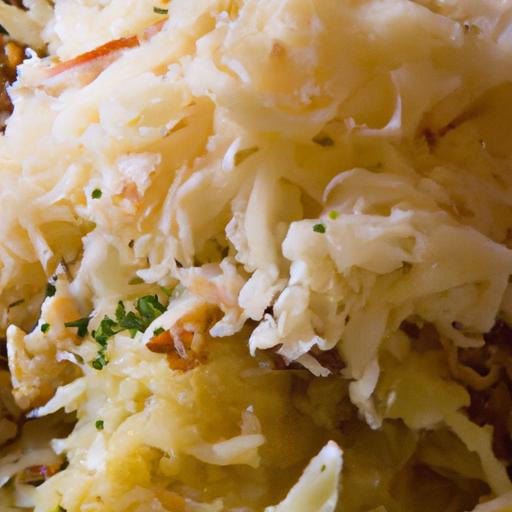
Crafting Crunchy Goodness: The Art of Homemade Sauerkraut
Crafting crunchy goodness through homemade sauerkraut is both a timeless tradition and a vibrant culinary adventure. This fermented masterpiece, rooted in European heritage, not only tantalizes the palate with its signature tang but also delivers a symphony of crisp textures and deeply layered flavors. Whether you’re a seasoned fermenter or new to the craft, selecting the perfect cabbage and mastering the intricacies of salt ratios and fermentation timing will elevate your sauerkraut from ordinary to remarkable.
Prep and Cook Time
- Preparation: 30 minutes
- Fermentation: 7 to 21 days (depending on desired tang and texture)
- total Time: 7-21 days + 30 minutes
Yield
Approximately 1 quart (4 cups) of homemade sauerkraut
difficulty Level
Medium
Selecting the Perfect Cabbage for Superior Crunch and Flavor
For sauerkraut that bursts with crunch and flavor, start with a fresh, dense cabbage-preferably a green or white cabbage with tightly packed leaves. Avoid older or floppy heads, as moisture content and freshness directly impact your final crunch. The ideal cabbage should feel heavy for its size and have a slight sheen on its outer leaves, signaling optimal hydration and vitality.
Mastering the Salt Ratio and Fermentation Timing for Optimal Texture
Salt is a craftsperson’s secret to unlocking perfect texture and tang in sauerkraut.The golden rule is to use about 2% sea salt by weight of the cabbage. This means if you have 1 kilogram (2.2 pounds) of shredded cabbage, use roughly 20 grams (about 1 tablespoon) of salt. Salt draws water from the cabbage, creating the brine that encourages beneficial lactobacilli to flourish and prevents unwanted microbes.
Fermentation timing plays a pivotal role-shorter ferment (7-10 days) yields a crunchier, milder kraut, while longer fermentation (14-21 days) deepens complexity and sourness. check your kraut every few days, pressing it down to remain submerged beneath its brine to maintain ideal anaerobic conditions.
Innovative Techniques to Preserve Crispness Throughout the Fermentation Process
Keeping sauerkraut crunchy throughout fermentation requires small but powerful techniques. try rinsing your cabbage lightly before salting to reduce excess bitterness while maintaining crispness. Introducing a few grape leaves or oak leaves on top of the ferment acts as a natural crispness preservative thanks to tannins.
Use a weighted fermentation lid or a sanitized stone to keep the cabbage submerged, preventing air exposure that leads to soft textures. Additionally, store your kraut in a cool, dark spot between 65°F and 70°F (18-21°C) – warmer temperatures accelerate fermentation but risk mushiness.
Enhancing Your Sauerkraut with Custom Spice Blends and Flavor Infusions
Elevate your sauerkraut by thoughtfully layering spices. Classic favorites like caraway seeds,juniper berries,and mustard seeds add nostalgic warmth and aromatic depth. For adventurous palates, consider infusions such as fresh ginger slices, garlic cloves, or a splash of apple cider vinegar before sealing the crock.
experimenting with dried chilies or smoked paprika introduces a subtle heat and complexity, while fresh herbs like dill or thyme lend fresh, verdant notes. Remember to add these enhancing agents in moderation initially-you can always boost intensity in subsequent batches.
Ingredients
- 1 medium green or white cabbage (about 2.2 pounds, washed and shredded)
- 20 grams (1 tablespoon) fine sea salt
- 1 teaspoon caraway seeds (optional)
- 3 juniper berries (optional)
- 1 garlic clove, thinly sliced (optional)
- Fresh grape leaves or oak leaves, rinsed (optional for crispness)
Instructions
- Shred the cabbage: Core the cabbage and finely shred it with a sharp knife or mandoline. Aim for uniform slices about 1/8 inch thick.
- Salt and massage: Place the cabbage in a large bowl and sprinkle evenly with sea salt.Massage and squeeze the cabbage with your hands for about 8-10 minutes until it becomes limp and releases a noticeable amount of liquid.
- Add spices: Stir in caraway seeds, juniper berries, and sliced garlic if using, evenly distributing them throughout the cabbage.
- Pack your ferment: Firmly press the cabbage mixture into a clean fermentation crock or jar. Use a tamper or your fist to eliminate air pockets. Pour any released brine over the top.
- Add grape leaves and weight down: place grape or oak leaves over the cabbage surface to help preserve crunch. Then, top with a sanitized fermenting weight to keep everything submerged beneath the brine.
- Seal and ferment: Cover your container with a cloth secured by a rubber band or use an airlock lid. Store in a cool, dark place between 65°F and 70°F for 7 to 21 days. Taste periodically from day 7 onwards to find your preferred tang and texture.
- Transfer and refrigerate: Once the flavor and crunch are perfect for you, remove weights and transfer the sauerkraut to a clean jar. Refrigerate to slow fermentation and enjoy for several months.
Chef’s Notes & Tips for Success
- Variation: Substitute green cabbage with red cabbage for a vibrant color twist. Note that red cabbage ferments slightly slower.
- Substitution: Use kosher salt if sea salt is unavailable but avoid iodized,which can affect fermentation.
- Troubleshooting: If the kraut develops an off odor or mold, discard and start fresh. Proper salting and submersion prevent this.
- Make-ahead: You can begin your sauerkraut in bulk and portion it into smaller jars once fermentation is complete.
Serving Suggestions
Serve your freshly crafted crunchy sauerkraut chilled or at room temperature alongside rich sausages, creamy mashed potatoes, or as a tangy topping on sandwiches and burgers. Garnish with freshly chopped dill or a drizzle of robust mustard oil for an inviting finish. For a festive twist,mix a scoop into potato salad or slaw for a probiotic boost and a hit of sharp,vibrant acidity.

| Nutrient | Per 1/2 cup serving |
|---|---|
| Calories | 27 |
| Protein | 1 g |
| Carbohydrates | 6 g |
| Fat | 0 g |
Discover more expert fermenting techniques with our Ultimate Guide to Fermentation. For scientific insights into lacto-fermentation, visit this extensive research article.
Q&A
Q&A: Crafting Crunchy Goodness – The Art of homemade Sauerkraut
Q1: What makes homemade sauerkraut diffrent from store-bought versions?
A1: Homemade sauerkraut is a living, breathing creation-teeming with natural probiotics and bursting with fresh, tangy flavor. Unlike many commercial brands that are pasteurized and often sodium-heavy, homemade sauerkraut retains its crunch, complexity, and vibrant beneficial bacteria that support gut health. You control every element, from cabbage variety to seasoning, making it a personalized culinary masterpiece.Q2: Why is achieving the perfect crunch so meaningful in sauerkraut?
A2: The crunch is the signature texture that elevates sauerkraut from a mere condiment to a delightfully satisfying experience. It signals freshness and a well-balanced fermentation process. A crisp bite means the cabbage’s cellular structure is intact, and the lactic acid bacteria have worked their magic without turning it mushy. Crunch is where taste meets texture in perfect harmony.Q3: What are the secret tips to ensure a crunchy sauerkraut at home?
A3: The crunchy secret lies in choosing fresh, firm cabbage and slicing it finely but not too thin. Salt is your fermentation coach-it draws out moisture and encourages the growth of good bacteria. Keep the environment cool (ideally 65-70°F / 18-21°C) and ferment just the right amount of time-usually between 1 to 4 weeks-tasting frequently. Also, weight down the cabbage to keep it submerged under its brine, preventing spoilage and ensuring crunch.
Q4: How does the fermentation process work in homemade sauerkraut?
A4: Fermentation is a natural alchemy where salt-loving lactic acid bacteria feast on cabbage’s sugars, producing lactic acid. This acid preserves the cabbage and creates that signature tang.Over time,the bacteria multiply,flavor deepens,pH drops,and the cabbage transforms into a probiotic powerhouse. think of it as a slow dance between microbes and veggies that culminates in flavorful preservation.
Q5: Can you customize the flavor of your sauerkraut during fermentation?
A5: Absolutely! sauerkraut is a blank canvas for creativity. Add juniper berries, caraway seeds, garlic, ginger, or even thin slices of apples and beets. Each addition introduces nuanced flavors and aromas, making your batch uniquely yours. Just remember to keep the cabbage-to-salt ratio consistent to maintain proper fermentation.
Q6: How should homemade sauerkraut be stored once fermentation is complete?
A6: Once your sauerkraut hits the perfect tang and crunch, move it to the fridge or a cool cellar. Cold storage slows fermentation dramatically, preserving that ideal texture and flavor. Properly stored in an airtight container, homemade sauerkraut can stay fresh and delicious for months-ready to enliven sandwiches, salads, or your favorite dishes.
Q7: Is making sauerkraut at home difficult for beginners?
A7: Not at all! With just cabbage, salt, a jar, and a little patience, anyone can embark on this fermentation adventure. Mistakes can happen-too salty, not salty enough, or too warm-but each batch teaches a lesson. The process connects you with age-old traditions and rewards you with crunchy, probiotic-rich goodness that’s well worth the effort.
Embrace the art of crafting crunchy sauerkraut at home and unlock a world of vibrant flavors and healthful benefits-one crisp bite at a time!
In summary
As the final bubbles settle and your jar of homemade sauerkraut reveals its vibrant crunch, you’ve not only crafted a tangy treat but also tapped into centuries of culinary tradition. This artful fermentation transforms humble cabbage into a probiotic powerhouse, marrying flavor and nutrition in every bite. Whether sprinkled atop a sandwich, paired with savory sausages, or enjoyed straight from the jar, your homemade sauerkraut is a testament to patience, creativity, and the timeless joy of turning simple ingredients into something truly extraordinary. So, embrace the process, experiment boldly, and savor each crisp mouthful of your crunchy masterpiece.