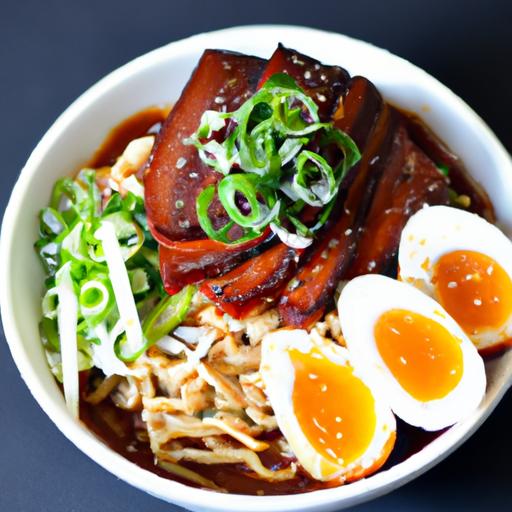

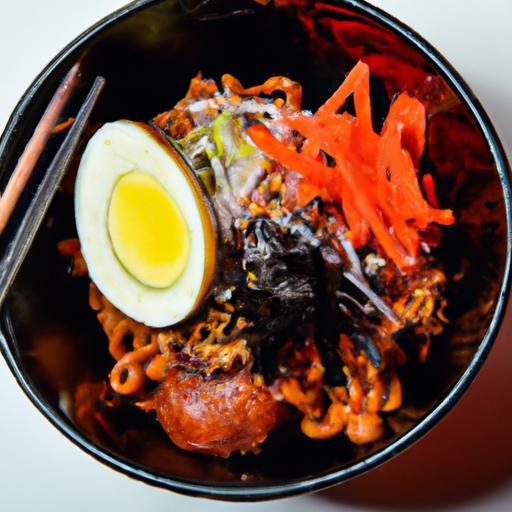
In the ever-evolving world of culinary fusion,a new star is rising that promises to tantalize taste buds and redefine comfort food: Gochujang Miso ramen Noodles. This vibrant dish marries the fiery,fermented kick of Korean gochujang with the deep,savory richness of Japanese miso,creating a symphony of flavors that’s both bold and nuanced. As spice meets umami in a steaming bowl,ramen takes on an exciting new dimension – one that honors tradition while inviting adventurous palates to explore a harmonious blend of cultures. Join us as we delve into the origins, flavors, and growing popularity of this deliciously innovative ramen that’s capturing hearts and spoons worldwide.
Spice Meets Umami: The Rise of Gochujang Miso Ramen Noodles invites you to experience an extraordinary marriage of bold Korean heat and deep Japanese savoriness. This dish is more than a meal; it’s a vibrant party of fermented flavors that transform humble ingredients into a bowl bursting with complexity. By blending the fiery notes of gochujang with the rich, earthy depth of miso, you unlock a powerful umami synergy that elevates traditional ramen to new heights. Drawing inspiration from street vendors in Seoul and izakayas in Tokyo, this recipe captures the essence of modern fusion cuisine-comforting, spicy, and irresistibly layered.
Prep and Cook Time
- Prep Time: 20 minutes
- Cook Time: 40 minutes
- Total time: 1 hour
Yield
Serves 4 hearty bowls
Difficulty Level
medium-ideal for adventurous home cooks ready to master layered broths and bold flavors
Ingredients
- 4 cups chicken or vegetable broth, preferably homemade
- 2 cups water
- 3 tbsp white miso paste
- 2 tbsp gochujang (Korean red chili paste)
- 1 tbsp soy sauce, low sodium
- 1 tbsp toasted sesame oil
- 3 cloves garlic, minced
- 1-inch piece of fresh ginger, grated
- 1 tbsp mirin (optional but recommended)
- 200g fresh ramen noodles or dried, per package instructions
- 2 soft-boiled eggs (marinated in soy and mirin, optional)
- 1 cup shiitake mushrooms, sliced
- 1 cup bean sprouts
- 2 green onions, thinly sliced
- 1 sheet nori (seaweed), torn into strips
- 1 tsp toasted sesame seeds
- 1 cup baby spinach or bok choy, wilted
- Chili oil or sliced fresh chili for extra heat (optional)
instructions
- Prepare the broth base: In a large pot, heat sesame oil over medium heat. Add minced garlic and grated ginger, sautéing until fragrant and golden, about 2 minutes. Be careful not to burn.
- Add mushrooms: toss in the sliced shiitake mushrooms and cook for another 5 minutes, allowing thier umami to infuse the oil.
- Mix the fermented flavor fusion: Lower the heat and whisk together miso paste and gochujang in a small bowl with a ladle of warm broth to create a smooth paste.Stir this mixture back into the pot.
- Simmer the broth: Pour in the remaining broth and water. Add soy sauce and mirin. Bring to a gentle simmer, allow it to bubble softly for 25 minutes, stirring occasionally. This slow melding brings forth a deeply layered broth full of heat and savoriness.
- Cook the noodles: While the broth simmers, prepare ramen noodles according to package instructions. Drain, rinse briefly under cold water to stop cooking, then set aside.
- Prepare toppings: If using marinated soft-boiled eggs,slice them carefully. Wilt spinach or bok choy by dipping briefly in boiling water, then drain.
- Assemble the bowls: Divide noodles evenly between serving bowls. Ladle the steaming broth over the noodles to warm them through. Arrange soft-boiled eggs, mushrooms, bean sprouts, greens, nori strips, and green onions atop each bowl.
- Finish with flair: Garnish with toasted sesame seeds and a drizzle of chili oil or fresh chili slices for an extra burst of heat, if desired. Serve instantly and enjoy the harmony of spice meets umami in every sumptuous slurp.
Tips for Success
- Broth Base Variety: For a meatier taste, substitute chicken broth with pork or beef broth. Vegetable broth works wonderfully for a vegan version-just boost miso and gochujang slightly for extra depth.
- Miso Type: Use white miso for a mild, sweet flavor or red miso for a heartier taste; adjusting the amount preserves balance.
- Gochujang Substitute: If unavailable, mix spicy chili paste with a touch of miso paste or fermented soybean paste.
- Noodle Choices: Fresh ramen noodles produce silky texture but dried noodles are a convenient alternative.
- Marinated Eggs: Prepare soy-marinated eggs a day ahead for convenience and richer flavor.
- Storage: The broth can be made in advance and refrigerated for up to 3 days or frozen for longer.
Serving Suggestions
Present this bowl with a pair of sleek chopsticks and a deep ceramic spoon to savor every hint of the broth. Complement with a side of crisp kimchi or pickled vegetables for contrasting texture and acidity. A chilled glass of barley tea or a light lager perfectly balances the dish’s intensity. Garnish with freshly chopped cilantro or lime wedges if you enjoy an added layer of brightness.
| Nutrient | Per Serving |
|---|---|
| Calories | 470 |
| Protein | 22g |
| Carbohydrates | 55g |
| Fat | 14g |

Discover more bold Asian fusion meals like this Korean Spicy Bulgogi to broaden your flavor repertoire. For a deep dive into the art of fermentation and its culinary magic, visit ScienceDaily’s article on fermenting foods. Unlock the full comfort of your ramen creations by mastering every flavor and texture with this recipe that celebrates how spice meets umami.
Q&A
Q&A: Spice meets Umami – The rise of Gochujang Miso Ramen Noodles
Q: What exactly is gochujang miso ramen?
A: Gochujang miso ramen is a bold fusion dish that marries the fiery, fermented chili paste from Korean cuisine-gochujang-with the deep, savory richness of Japanese miso in a comforting bowl of ramen noodles. It’s a harmonious blend where spice meets umami, transforming a simple bowl of noodles into a vibrant flavor explosion.
Q: How did this fusion of Korean and Japanese flavors come about?
A: The rise of global food culture and cross-border culinary experimentation paved the way. Chefs inspired by the comforting slurp of Japanese ramen and the addictive heat of Korean gochujang began experimenting in their kitchens, finding that miso’s earthiness perfectly balances gochujang’s spicy kick, creating a depth of flavor that’s greater than the sum of its parts.
Q: What makes gochujang miso ramen different from traditional ramen dishes?
A: Unlike classic ramen broths-shio, shoyu, tonkotsu-gochujang miso ramen brings an exciting twist by incorporating the distinct spicy-sweet fermented notes of gochujang. The miso adds a mellow, nutty undertone, resulting in a layered broth full of complexity, warmth, and umami that’s both hearty and lively on the palate.
Q: Is gochujang miso ramen very spicy?
A: It can be! But the level of heat is frequently enough adjustable. While gochujang packs a moderate, smoky heat, the miso tempers that spice with richness. Some recipes keep it mild for broader appeal, while others turn up the heat for spice lovers who crave that fiery tingle alongside umami depth.Q: What kinds of toppings best complement gochujang miso ramen?
A: Toppings like tender braised pork belly, soft-boiled eggs with runny yolks, crunchy scallions, fresh bean sprouts, and toasted sesame seeds work beautifully. Some versions also add kimchi or sautéed mushrooms to emphasize the Korean-Japanese fusion, balancing textures and flavors throughout the bowl.
Q: Why has gochujang miso ramen become so popular recently?
A: In a world hungry for bold, innovative flavors, gochujang miso ramen satisfies on multiple levels: it’s comforting, complex, and offers a spicy umami punch that resonates with adventurous eaters. Social media’s love for visually striking, richly hued dishes also helped propel its rise as ramen shops and home cooks alike embraced this exciting flavor mashup.Q: Can home cooks easily make gochujang miso ramen?
A: Absolutely! With accessible ingredients-miso paste, gochujang, noodles, broth base-and a bit of care, home chefs can recreate this fusion favorite. Online recipes frequently enough provide tips on balancing heat and savoriness while layering textures, so even beginners can dive into this delicious culinary adventure.
Q: What’s the future for dishes like gochujang miso ramen?
A: As flavor borders blur and global tastes continue to intertwine, expect more innovative ramen variations that combine culinary traditions.Gochujang miso ramen exemplifies this trend, hinting at a future where spice and umami seamlessly mingle, bringing exciting, bold bowls to tables worldwide.
The Conclusion
As the rich, savory depths of miso intertwine effortlessly with the bold, fiery kick of gochujang, a new culinary hero emerges: gochujang miso ramen noodles. This fusion not only celebrates the harmony of Korean spice and Japanese umami but also invites adventurous palates to experience ramen in a vibrant, unexpected way. Whether you’re a devoted foodie or a curious newcomer, this flavorful bowl stands as a testament to how tradition and innovation can come together to create something truly irresistible. So next time you crave comfort with a twist, let gochujang miso ramen be your passport to a spice-infused umami adventure that warms both heart and soul.