

golden, crispy, and irresistibly addictive-patacones, also known as tostones, are more than just fried plantains; they are a beloved culinary treasure woven into the vibrant tapestry of Latin American and Caribbean cuisine. These twice-fried slices of green plantain deliver a perfect balance of crunch and tenderness, offering a versatile snack or side dish that transcends borders and palates. In this article, we’ll uncover the history, cultural importance, and mouthwatering techniques behind patacones, inviting you to discover why these humble plantain delights have captured hearts and taste buds around the world.
Patacones (Tostones): Crispy Plantain Delights Uncovered are a beloved staple across Latin America, celebrated not only for their irresistible crunch but also for their rich cultural heritage. Originating from Afro-Caribbean roots and cherished in countries like Colombia, Puerto Rico, and Ecuador, these twice-fried green plantains carry stories of tradition, hospitality, and shared gatherings. Their golden, crispy texture paired with a savory pinch of salt makes patacones more than just a snack-they’re a symbol of comfort and culinary ingenuity.
Prep and Cook Time
- Readiness: 15 minutes
- Cooking: 15 minutes
- Total Time: 30 minutes
Yield
Serves 4 as a side or snack (approximately 12-16 pieces)
Difficulty Level
Easy – Perfect for home cooks at any skill level
Ingredients
- 3 large green plantains (firm and unripe, yellowish-green skin)
- 4 cups vegetable oil (for frying, preferably peanut or canola oil)
- 1 teaspoon coarse sea salt
- Freshly ground black pepper (optional)
- 1 lime or lemon (for optional zest and drizzling)
Step-by-Step Guide to Achieving Perfectly Crispy Patacones at Home
- Prepare the plantains: using a sharp knife, cut off both ends of each plantain. Carefully slice the thick peel in segments lengthwise, then remove it by hand, revealing the firm flesh underneath.
- Slice into portions: Cut the peeled plantains crosswise into 1½-inch thick rounds.
- First fry: Heat the vegetable oil in a deep skillet or pot over medium-high heat, around 350°F (175°C). Add the plantain slices in batches, frying until they just begin to turn golden and soften, roughly 3-4 minutes per side. Remove with a slotted spoon and drain on paper towels.
- Smash the slices: Place each fried plantain slice on a flat surface or plate, cover with parchment paper or a clean kitchen towel, and gently press down using a tostonera, a flat-bottomed glass, or the bottom of a heavy pan. Aim for about half the original thickness.
- Second fry: Return the flattened plantains to the hot oil. Fry each piece for an additional 2-3 minutes per side until they achieve a vibrant golden-brown and satisfyingly crispy exterior.
- Season immediately: Transfer patacones to a wire rack or paper towels, then generously sprinkle with coarse sea salt and freshly ground black pepper to taste. For a refreshing twist, zest lime over the top or squeeze a few drops for brightness.
exploring Flavor Variations and Seasoning Options for Tostones
Patacones are a versatile canvas for flavor experimentation. Beyond classic salt and pepper, try dusting them with smoked paprika, garlic powder, or a pinch of cumin for earthy warmth. For a hint of heat, sprinkle cayenne or chipotle chili powder. Many enjoy a drizzle of garlic-infused oil or a touch of melted butter post-frying to elevate aroma and richness.
Pairing Patacones with Dips and Dishes for a Complete culinary Experience
These crispy delights pair beautifully with an array of dips, enhancing their vibrant crunch. Try classic mojo sauce rich in garlic and citrus, creamy avocado aioli, or a tangy mango salsa for tropical flair. Patacones also complement main dishes flawlessly-from grilled seafood and roasted chicken to hearty black beans and rice-making every bite part of a more important festivity of Latin American culinary culture.
Chef’s Notes & Tips for Success
- choose the right plantains: Ensure your plantains are green and firm; ripe and yellow ones will yield softer, sweeter tostones instead of crispy patacones.
- Oil temperature matters: Use a thermometer to maintain around 350°F. Too low and the patacones absorb oil, too high and they burn quickly.
- Double-fry for crispiness: the two-step frying process is essential for the characteristic crunch. Don’t skip smashing the plantains to achieve their perfect flat shape.
- Make ahead: You can fry the first round and keep them refrigerated, then fry the second time just before serving for maximum freshness.
- Healthier option: Try baking or air frying for a lower-fat alternative,though the traditional deep-fried texture is challenging to replicate exactly.
Serving Suggestions
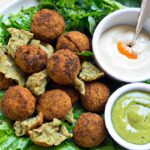
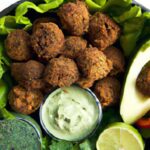
Serve patacones hot and golden, garnished with fresh cilantro or parsley for color. Accompany the plate with small bowls of garlic sauce, crema, or spicy salsa on the side. For a festive presentation, layer them beneath shredded pork (pernil) or top with crumbled queso fresco and pickled onions for an eye-catching appetizer or snack.
| Nutrient | Per Serving (4 pieces) |
|---|---|
| Calories | 210 kcal |
| protein | 1.5 g |
| Carbohydrates | 27 g |
| Fat | 11 g |

Q&A
Q&A: Patacones (Tostones) – Crispy Plantain Delights uncovered
Q1: What exactly are patacones, and how do they differ from tostones?
A1: Patacones and tostones are essentially the same crispy fried plantain slices beloved across Latin America and the Caribbean. The term “patacones” is favored in countries like Colombia, Panama, and Ecuador, while “tostones” are more common in Puerto Rico, Cuba, and the Dominican Republic. Both refer to twice-fried green plantain discs that boast a golden crunch and a tender inside-a perfect harmony of texture and flavor.Q2: What type of plantains do you use to make the crispiest patacones?
A2: For that signature crunch, green (unripe) plantains are your go-to. Unlike their sweet, yellow or black counterparts, green plantains have firm flesh and a starchy bite, ideal for frying. They’re less sweet and more savory, wich makes patacones the perfect vessel for dips, sauces, and savory toppings.
Q3: How are patacones traditionally prepared? Is there a secret step to achieving their crunch?
A3: The magic lies in the double-fry method. First,plantain slices are fried until just golden and softened,then promptly smashed-usually with a tostonera (a special press) or a flat object. After smashing, they’re fried again until golden brown and crispy. this second fry crisps up the edges while keeping the center delightfully tender. The smashing step is crucial, creating more surface area that crisps up beautifully.
Q4: Can patacones be flavored or seasoned beyond just salt?
A4: Absolutely! While a sprinkle of salt is classic, patacones love company. You can dress them with garlic-infused oil, sprinkle on smoked paprika, or even dust with a pinch of chili powder for a fiery kick. Some cultures slather them with guacamole, black bean dip, or squeeze fresh lime on top. Their mild flavor and crispy texture make them a blank canvas for global taste adventures.Q5: Are patacones gluten-free and suitable for special diets?
A5: Yes! Patacones are naturally gluten-free, vegan, and paleo-pleasant when made traditionally-with just plantains, oil, and salt. They’re a fantastic snack or side dish fit for many diets. Just watch the oil choice and frying method if you’re mindful about health considerations.
Q6: What are some popular dishes or pairings with patacones?
A6: Patacones are versatile sidekicks. They pair beautifully with hearty stews like ropa vieja or Caribbean jerk chicken. In many regions, they’re topped with shredded cheese, beans, or ceviche, transforming crispy bites into full-fledged snacks or appetizers. In some places, they even become the base for sandwiches, replacing bread with their golden crunch.
Q7: Can patacones be made at home easily,or are they better left to the pros?
A7: Making patacones at home is surprisingly easy-and fun! With basic ingredients and a trusty frying pan,almost anyone can master this crispy treat. The key is patience and mastering the double-fry technique. Home cooks can experiment with thickness, oil types, and seasoning to craft their perfect patacones. Plus, nothing beats the smell of frying plantains wafting through your kitchen!
Q8: What cultural significance do patacones hold in Latin American and Caribbean communities?
A8: Patacones are more than just food-they’re a cultural staple and comfort classic. They carry the spirit of communal meals and family gatherings, often enjoyed during celebrations and everyday lunches alike. their presence on the table evokes nostalgia and pride, connecting generations through shared tastes and stories. In many places, making patacones is an art passed down through families-a crispy bridge between past and present.
Q9: Are there any creative twists or modern adaptations of patacones?
A9: Indeed! Chefs and home cooks alike are reinventing patacones in dazzling ways-think patacones topped with fusion flavors like Korean BBQ beef, drizzled with sriracha mayo, or layered with avocado and smoked salmon. In vegan circles, they’re sometimes used as “crackers” for dips or mini taco shells. Sweet versions also exist, where ripe plantains provide a caramelized contrast, showing just how versatile this humble plantain can be!
Q10: what’s the best way to enjoy patacones for a first-timer?
A10: Start simple-fresh out of the fryer, sprinkled with a pinch of sea salt and maybe a squeeze of lime. Let the crispy, savory flavor win you over.Then, dive into classic sides like black beans and rice, or dollop on your favorite salsa or guacamole.Patacones are all about joy in every crunchy bite, inviting you to savor the vibrant cultures that celebrate them.
In Conclusion
As the golden crisps of patacones fade from your plate,their rich history and cultural significance linger-reminding us that this humble plantain is far more than just a snack. From the sizzling oil to the final sprinkle of seasoning, patacones are a testament to the vibrant flavors and traditions woven throughout Latin American cuisine. Whether enjoyed as a side, a base for savory toppings, or simply on their own, these crispy delights invite us to celebrate the art of transformation-turning a simple fruit into a crunchy, irresistible experience. So next time you bite into a patacón, savor not only the crisp texture but also the story carried in every bite.