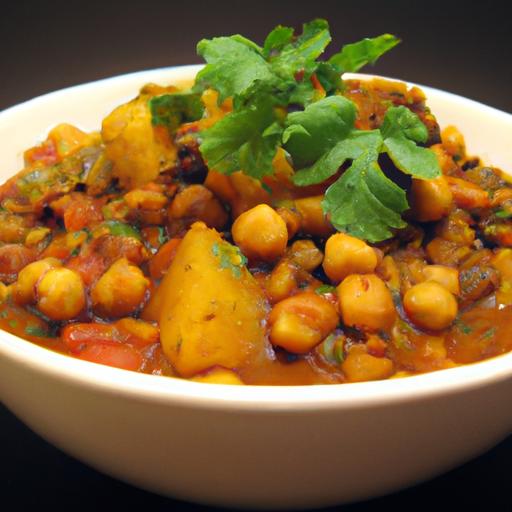

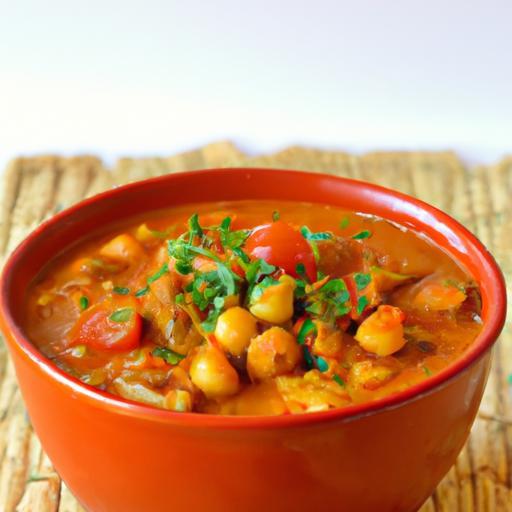
In the bustling kitchens of Morocco, where spices dance and aromas weave tales of heritage, there simmers a soup that is far more than just a meal-it is a heartfelt tradition served in every bowl. Moroccan Harira,with its rich blend of legumes,tender meats,and fragrant herbs,stands as a culinary emblem of comfort,community,and celebration. This hearty stew transcends mere sustenance, inviting those who partake to taste centuries of history, culture, and warmth. Join us as we explore the layers of flavor and meaning behind Harira, uncovering why this beloved dish remains a cherished cornerstone of Moroccan life.
origins and Cultural Meaning of Moroccan Harira
Moroccan Harira is more than just a soup; it is a rich culinary emblem of Moroccan hospitality and tradition.Revered especially during the holy month of Ramadan, Harira unites families and friends as they break their fast together. Rooted in centuries-old Maghreb cuisine, this hearty soup combines fresh local ingredients and fragrant spices, each spoonful telling the story of Morocco’s vibrant culture. From bustling markets in Marrakech to the terraces of Fez, Harira remains a beloved staple cherished for its warmth, nourishment, and the sense of community it fosters around the table.
Prep and Cook Time
- Planning Time: 20 minutes
- Cooking Time: 1 hour 15 minutes
- Total Time: 1 hour 35 minutes
Yield
- servings: 6 to 8 hearty bowls
Difficulty Level
- medium – Ideal for cooks ready to embrace a classic recipe with steps that reward patience and care
Key Ingredients That Define the Authentic Harira Flavor
- 1 cup dried red lentils, rinsed
- 1/2 cup small Turkish vermicelli or fine pasta
- 1 cup canned chickpeas, drained and rinsed
- 250g lamb shoulder, cut into small cubes (optional but conventional)
- 2 medium onions, finely chopped
- 3 large ripe tomatoes, peeled and pureed
- 1/2 cup fresh cilantro, chopped
- 1/2 cup fresh flat-leaf parsley, chopped
- 2 celery stalks, finely chopped
- 3 tablespoons olive oil
- 2 tablespoons all-purpose flour (for the thickener)
- 1 teaspoon ground ginger
- 1 teaspoon ground cinnamon
- 1 teaspoon turmeric powder
- 1 teaspoon paprika
- Salt and freshly ground black pepper, to taste
- 6 cups beef or vegetable broth
- Juice of 1 lemon (to brighten flavors)
Step-by-Step Guide to Crafting Traditional Harira at Home
- Heat olive oil in a large pot over medium heat. Add the lamb and sauté until browned on all sides,about 7 minutes. Remove and set aside.
- Add chopped onions, celery, cilantro, and parsley to the pot. Cook for 5 minutes, stirring frequently until softened and aromatic.
- Return the lamb to the pot. Stir in the tomato puree and all spices (ginger,cinnamon,turmeric,paprika). Season with salt and pepper. Cook for 4-5 minutes, allowing the spiced tomato base to thicken slightly.
- Add the lentils, chickpeas, and broth. Bring the mixture to a gentle boil, then reduce heat to low, cover, and simmer for 45 minutes, stirring occasionally to prevent sticking.
- In a small bowl,whisk the flour with 1/2 cup cold water to form a smooth paste. Slowly drizzle this mixture into the simmering soup while stirring to avoid lumps. This will give Harira its signature velvety texture.
- Add the vermicelli and continue cooking for another 10 minutes until the pasta is tender and the soup has thickened to your preferred consistency.
- Finish with a generous squeeze of lemon juice to brighten the flavors. Adjust seasoning if needed.
- Remove from heat and let the soup rest for 5 minutes before serving to allow flavors to meld beautifully.
Tips for Enhancing Harira with Modern Twists and Serving Suggestions
- Modern twist: Add a pinch of smoked paprika or a drizzle of harissa paste for subtle smoky heat that enhances depth.
- Vegetarian option: Omit lamb and increase chickpeas and lentils. Use vegetable broth for richness.
- Make ahead: Harira tastes even better the next day. prepare in advance and gently reheat for a comforting meal.
- Garnish ideas: Fresh lemon wedges,chopped fresh cilantro,or a dollop of creamy plain yogurt brighten the bowl and elevate presentation.
- Serving style: Serve with warm traditional Moroccan bread such as khobz or toasted pita,perfect for dipping into the thick,flavorful broth.
Chef’s notes
- For a richer broth, substitute part of the water with bone broth or homemade stock.
- If the soup becomes too thick, gradually add warm water or broth while stirring to reach desired texture.
- Incorporate finely chopped fresh mint for a refreshing aroma twist during warmer months.
- Use a heavy-bottomed pot to prevent scorching and encourage even cooking.
Serving Suggestions
Present your Harira in handcrafted bowls to evoke authentic Moroccan ambiance. Scatter freshly chopped herbs atop with a final squeeze of lemon for color and brightness. Pair with crisp Moroccan pickled vegetables or a simple green salad tossed in olive oil and lemon. A steaming mint tea served alongside beautifully completes the meal, transporting you straight to the heart of Morocco’s culinary heritage.
| Nutrient | Per Serving |
|---|---|
| Calories | 320 kcal |
| Protein | 22 g |
| Carbohydrates | 38 g |
| Fat | 7 g |
| Fiber | 10 g |
Explore our Moroccan Couscous Recipe for another taste of authentic North African cuisine.
For more insight into the cultural heritage of Moroccan cuisine, visit Britannica’s Moroccan Cuisine Overview.

Q&A
Q&A: Moroccan Harira – A Hearty Tradition in Every bowl
Q1: what exactly is Moroccan Harira?
A: Moroccan Harira is a beloved traditional soup renowned for its rich, velvety texture and aromatic spices. It’s a wholesome blend of tomatoes, lentils, chickpeas, fresh herbs, and tender meat-frequently enough lamb or beef-slow-cooked to create a bowl bursting with warmth and comfort. More than just a dish, Harira is a culinary symbol of Moroccan hospitality and festive gatherings.
Q2: Where did Harira originate, and why is it so important in Moroccan culture?
A: Harira’s roots trace back centuries, embodying the soul of Moroccan gastronomy. It is especially revered during Ramadan,where it breaks the daily fast with nourishing abundance. Beyond Ramadan, Harira is comfort food-served at family celebrations, weddings, and everyday meals-reflecting a tradition of sharing, generosity, and deep cultural pride.
Q3: What are the key ingredients that make Harira so unique?
A: The magic of Harira lies in its harmonious ingredients: fresh tomatoes and tomato paste create its signature deep red color and tangy base; lentils and chickpeas bring hearty earthiness; onions, celery, and parsley infuse freshness; ginger, cinnamon, turmeric, and saffron add exotic warmth; and a touch of flour or eggs often thickens it into a luscious, satisfying bowl.
Q4: How is Harira traditionally prepared? Is it a complicated recipe?
A: While Harira boasts a complex flavor profile, its preparation reflects patience and love rather than difficulty. Ingredients are simmered slowly to marry flavors, with careful timing to ensure tender meat and beans. The layering of spices requires finesse, but the process is approachable-even for home cooks eager to embrace moroccan culinary artistry.
Q5: Can Harira be adapted for different diets, such as vegetarian or vegan?
A: Absolutely! Though traditionally meat-based, Harira adapts beautifully to vegetarian and vegan diets by omitting meat and sometimes substituting with mushrooms or additional legumes. The aromatic spices and hearty beans ensure the soup remains filling and flavorful, proving that tradition can evolve without losing its soulful essence.
Q6: What is the best way to enjoy Harira?
A: Harira is best savored piping hot, often accompanied by flaky Moroccan bread like msemen or batbout to scoop up every drop.Many enjoy it with a squeeze of lemon or a sprinkle of fresh herbs. Beyond nourishment, eating Harira is an experiance-a moment to connect over stories, laughter, and a shared appreciation for timeless flavors.
Q7: Why should someone unfamiliar with Moroccan cuisine try Harira?
A: For anyone new to Moroccan food, Harira offers an inviting gateway into the country’s rich culinary tapestry. It’s a bowl that tells stories through spices, textures, and tradition. Trying Harira is not just tasting a soup-it’s savoring a cultural legacy that warms the heart and soul, inviting you to explore Morocco’s vibrant food heritage one spoonful at a time.
The Conclusion
As the steam rises from a warm bowl of Moroccan Harira,it carries with it centuries of history,culture,and comfort. This hearty soup, rich with fragrant spices, tender lentils, and succulent meat, is more than just a meal-it’s a culinary embrace that tells the story of Morocco’s diverse heritage and communal spirit. Whether served during Ramadan to break the fast or enjoyed as a cherished everyday ritual, Harira remains a vibrant thread in the tapestry of Moroccan life. So next time you savor a spoonful, remember you’re tasting tradition-a soul-soothing blend of flavors that brings people together, one bowl at a time.