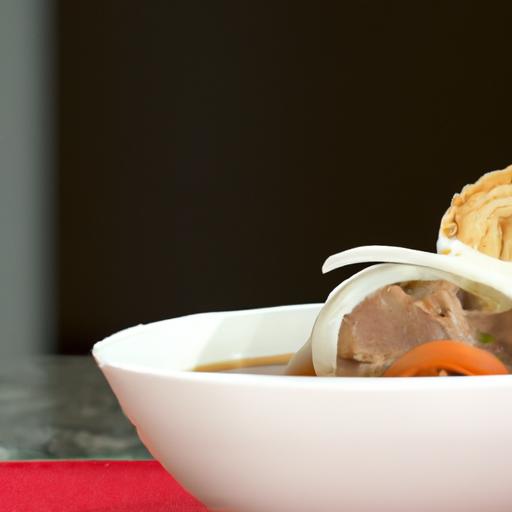

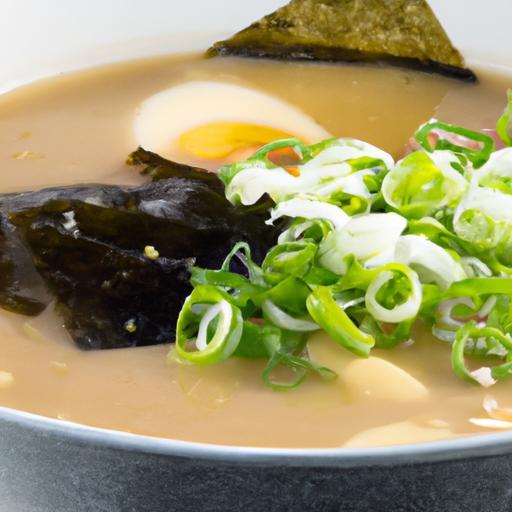
Ther’s a quiet magic simmering in the heart of Japanese kitchens – a simple, golden-hued broth that carries centuries of tradition, flavor, and comfort. Miso soup, frequently enough overlooked as a humble starter, is much more than just a warm sip to accompany a meal. It’s a ritual, a storyteller, and a healing elixir wrapped in a bowl. From the tangy depth of fermented miso to the gentle embrace of tender tofu and seaweed, each spoonful unlocks a sensory journey into Japan’s culinary soul. In this article, we delve into the enchanting world of miso soup, exploring how this ancient staple has earned its place as an enduring symbol of comfort and well-being across generations. Welcome to the magic of miso soup – where history, health, and home converge.
Exploring the Origins and Cultural Significance of Miso Soup
Miso Soup Magic is more than just a simple Japanese staple-it’s a soulful bowl steeped in centuries of tradition, comfort, and communal warmth. Originating in Japan during the Heian period (794-1185), this humble soup evolved from a fermented soybean paste called miso, which was originally a luxury product reserved for elite households. Today, miso soup represents the very heart of Japanese home cooking, embodying balance, umami richness, and cultural reverence for natural ingredients.
Rooted in Zen Buddhist dietary practices, this broth serves as a daily reminder of mindful eating and harmony between nature and nourishment. In Japanese households, miso soup is not just a dish-it’s a ritual that connects generations, often enjoyed at breakfast, lunch, and dinner. The scent of dashi simmering with seaweed and the savory depth of miso invites warmth and connection, making each bowl a comforting embrace.
crafting the Perfect Broth: Essential Ingredients and Techniques for Authentic Flavor
At the core of this beloved recipe lies the well-balanced broth, a delicate dance of umami and simplicity. Miso Soup Magic begins with the quintessential dashi stock-a fragrant, clean base typically made by steeping kombu (dried kelp) and katsuobushi (dried bonito flakes). The purity of your dashi defines the depth of flavor, so quality ingredients and careful preparation are key.
To craft an authentic broth, start by gently simmering your kombu in cold water, removing it just before boiling to avoid bitterness. Adding bonito flakes creates a smoky, savory complexity. Once strained, this clear stock welcomes the miso paste, which must be incorporated off direct heat to preserve its alive cultures and delicate nuances.
Pro Tip: Use a wire-mesh strainer or a ladle to dissolve the miso paste gradually into the warm dashi, stirring gently for a velvety finish without lumps. Traditionally, white or mixed miso varieties are favored for their balanced sweetness and mellow saltiness, but experimentation with red or hatcho miso can add bold intensity.
Prep and Cook Time
- Preparation: 10 minutes
- Cooking: 15 minutes
- Total: 25 minutes
Yield
Serves 4 generous bowls
Difficulty Level
Easy – perfect for home cooks looking to embrace authentic Japanese flavors without fuss
Ingredients
- 4 cups water
- 1 piece (about 4″x4″) kombu (dried kelp)
- 1 cup katsuobushi (dried bonito flakes)
- 3 tablespoons white or mixed miso paste
- 100g silken tofu, cubed
- 2 stalks green onions, thinly sliced
- 1/4 cup wakame seaweed, soaked and drained
- Optional: mushrooms (shiitake or enoki), thinly sliced
Instructions
- Prepare the dashi stock: Place the kombu in a saucepan with 4 cups of cold water.Let it soak for 30 minutes (if time allows) before slowly heating over medium heat. Remove kombu just before the water boils.
- Add bonito flakes: Once kombu is removed, bring water to a gentle boil, then turn off heat. Add katsuobushi and let steep for 5 minutes.
- Strain the dashi: Pour the broth through a fine sieve or cheesecloth to remove bonito flakes,creating a clear,fragrant stock.
- Dissolve the miso paste: Ladle about ½ cup of hot dashi into a small bowl. Whisk in the miso paste until smooth, then gradually stir the mixture back into the saucepan. Do not boil after adding miso to preserve its flavor and nutrients.
- Add tofu, wakame, and optional mushrooms: Gently heat until warm, about 3-4 minutes, allowing tofu to heat through and wakame to expand.
- Garnish and serve: Ladle soup into bowls and sprinkle sliced green onions on top for fresh aroma and color.
Tips for Success
- Use quality miso: Opt for fresh, refrigerated miso paste for a brighter, more complex flavor.
- Customize dashi: For a vegetarian version, omit bonito flakes and add dried shiitake for an earthy depth (Learn more about vegetarian dashi).
- Miso handling: Always mix miso off direct heat to maintain live probiotics and optimal flavor.
- Make ahead: You can prepare dashi in advance and refrigerate for up to 3 days.
- Storage tip: Leftover soup should be enjoyed within 24 hours, as reheating can diminish miso’s delicate taste.
Serving Suggestions
Serve your miso soup as a comforting start to a Japanese-inspired meal or as a nourishing standalone snack. Pair it with Teriyaki Chicken or a fresh cucumber sunomono salad for balanced texture and flavor. Add a sprinkle of toasted sesame seeds or a few shreds of yuzu zest to elevate presentation and aroma.
For a warming touch, enjoy miso soup alongside a steaming bowl of steamed rice or use it as a base for a heartier hot pot by increasing tofu and adding sliced daikon radish or napa cabbage.
Nutritional Information (per serving)
| Calories | Protein | Carbs | Fat |
|---|---|---|---|
| 70 kcal | 6g | 5g | 2g |

Q&A
Q&A: Miso Soup Magic – Unlocking Japan’s Comfort in a Bowl
Q1: What makes miso soup so iconic in Japanese culture?
A1: Miso soup is more than just a dish; it’s a warm embrace from Japan’s culinary soul. Traditionally served alongside meals, it symbolizes harmony and balance, blending simple ingredients into a soothing, umami-rich broth that nourishes both body and spirit. Its presence at the breakfast table or a formal Kaiseki dinner underscores its role as the heart of Japanese comfort food.
Q2: What exactly is miso, and how does it transform the soup?
A2: Miso is a fermented paste made primarily from soybeans, salt, and koji (a pleasant mold starter), sometimes enhanced with rice or barley. This fermentation process creates a complex flavor profile, ranging from sweet and mild to deep and robust. When dissolved into hot dashi stock, miso imparts that signature savory depth-often described as umami-that defines the soup’s magic.
Q3: What are the essential components of a traditional miso soup?
A3: At its simplest, a classic miso soup comprises dashi (a delicate broth made from kombu seaweed and dried bonito flakes), miso paste, and a handful of fresh ingredients like tofu cubes, wakame seaweed, and scallions. These few elements harmonize to create a symphony of textures and flavors-silky tofu, briny wakame, and fragrant green onions-each bite comforting and revitalizing.
Q4: Can miso soup be customized,or is it a recipe set in stone?
A4: Miso soup is a wonderfully versatile canvas. Regional variations across Japan introduce ingredients like mushrooms, clams, vegetables, and even potatoes. Some opt for white miso for sweetness; others prefer red miso for a punchier kick. This adaptability means you can unlock your own version of “miso magic,” tailoring it to seasons, moods, or pantry treasures.
Q5: Why is miso soup considered a healthful dish?
A5: Beyond flavor, miso soup boasts nutritional benefits attributed to its fermented miso base-rich in probiotics that support gut health.The soup provides protein from tofu,minerals from seaweed,and antioxidants from fresh garnishes.Light yet nourishing, miso soup embodies the Japanese ideology of food as medicine, delivering comfort with every spoonful.
Q6: How can someone new to miso soup bring a little Japanese comfort into their kitchen?
A6: Start simple: acquire good-quality miso paste and dashi ingredients (or instant dashi powder for ease), then stir miso into warm broth-never boiling, to preserve delicate flavors and probiotics. Add tofu and wakame, finish with scallions, and savor. Experiment with seasonal vegetables or mushrooms to personalize your bowl. With each sip, you’ll taste centuries of tradition and a touch of Japanese hospitality.Q7: What’s the secret to truly unlocking the “magic” of miso soup?
A7: the magic lies in mindfulness-preparing miso soup with respect for its ingredients and cultural roots. It’s about pacing yourself to appreciate the subtle interplay of flavors and textures, and allowing the soup to serve as a moment of pause and comfort amid life’s bustle.In essence, miso soup is a humble reminder that sometimes, magic is found in simplicity and intention.
Wrapping Up
As the steam rises gently from your bowl, carrying the rich aroma of fermented soy and seaweed, you’re not just tasting a simple soup-you’re sipping on centuries of Japanese tradition and comfort.Miso soup is more than a humble starter; it’s a warm embrace, a delicate balance of umami that nurtures both body and soul. Whether enjoyed at a bustling ramen shop or in the quiet moments of home, this magical broth invites us to slow down, savor simplicity, and unlock a timeless comfort that transcends borders. so next time you crave a little warmth from within, remember: the secret to Japan’s heartwarming magic just might be found in a humble bowl of miso soup.