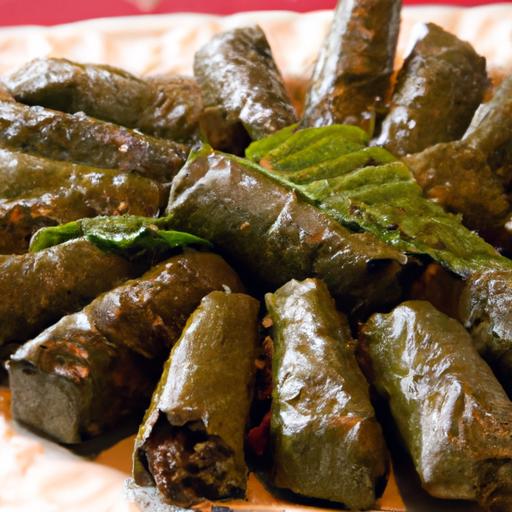

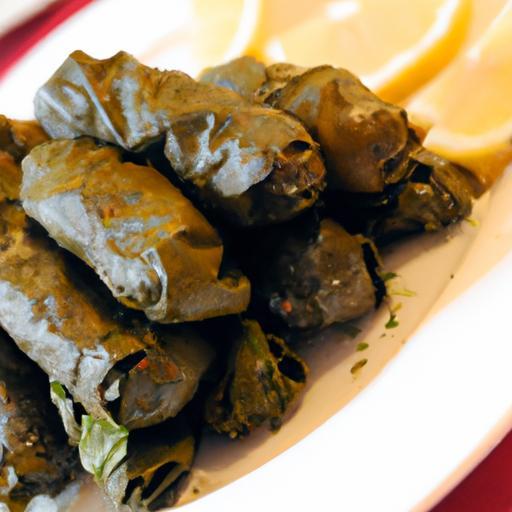
Wrapped in tender, emerald-hued leaves lies a story as rich and vibrant as Lebanon’s history itself. Lebanese stuffed grape leaves,known locally as “warak enab,” are more than just a dish-they are an edible tapestry woven from generations of tradition,family gatherings,and culinary artistry. Each bite offers a delicate balance of tangy grape leaves, fragrant herbs, and savory fillings, inviting you to unwrap not only a flavorful experience but also a cultural heritage steeped in warmth and hospitality. In this article, we delve into the origins, ingredients, and techniques behind this beloved Middle Eastern delicacy, revealing why lebanese stuffed grape leaves continue to captivate taste buds and hearts around the world.
Lebanese Stuffed Grape Leaves: A Flavorful Tradition Unwrapped
Lebanese Stuffed Grape Leaves are a culinary gem that unites generations around the table with tastes that echo centuries of tradition. originating from the levant, this dish represents more than just a meal-it’s a party of hospitality, family, and the vibrant flavors of Lebanon’s diverse landscape. My earliest memories of these delicately rolled grape leaves evoke the warm kitchens of my grandmother, whose hands folded each leaf with rhythmic precision while sharing laughter and stories. This recipe invites you to partake in that time-honored ritual, delivering a perfect balance of tangy, savory, and herbaceous notes in every bite.
Prep and Cook Time
- planning: 30 minutes (plus soaking time for grape leaves)
- Cooking: 60 minutes
- Total: 1 hour 30 minutes
Yield
approximately 30 Lebanese Stuffed Grape Leaves (serves 6-8)
Difficulty Level
Medium – requires patience and attention to detail,but rewarding results await!
Essential Ingredients and Traditional Preparation Techniques
- 1 jar (about 60 leaves) sour grape leaves,rinsed and drained
- 1 ½ cups short-grain rice,rinsed
- ¾ cup finely chopped onion
- ½ cup finely chopped fresh parsley
- ½ cup finely chopped fresh mint leaves
- ¼ cup pine nuts (toasted)
- ¼ cup extra virgin olive oil
- ¾ cup fresh lemon juice (about 4 large lemons)
- 1 teaspoon ground allspice
- ½ teaspoon ground cinnamon
- Salt and freshly ground black pepper,to taste
- 2 cups vegetable or chicken broth
- Water,as needed
Traditional preparation begins by thoroughly rinsing the preserved grape leaves to remove excess brine,then soaking the rice so it softens for even cooking within the leaves. The filling blends aromatic herbs, soft pine nuts, and fragrant spices, capturing the essence of Lebanese flavor profiles. Each leaf is carefully rolled, tucking in the filling like a precious gift to be steamed until tender but not mushy. The slow cooking in lemony broth imparts a refreshing zest that contrasts beautifully with the earthy rice and herbs.
Step-by-step instructions
- Prepare the filling: In a large bowl, combine the rinsed rice, chopped onion, parsley, mint, toasted pine nuts, allspice, cinnamon, salt, and pepper. stir in half the olive oil and half the lemon juice. Mix until ingredients are evenly distributed.
- Rinse and ready the grape leaves: Drain the jar of grape leaves, rinse under cool water, and pat dry. If leaves are large, trim any thick stems carefully.
- Roll the grape leaves: Lay one leaf shiny side down on a flat surface. Place a tablespoon of filling near the stem end, fold the sides in snugly, and roll tightly toward the tip, creating a small, cigar-shaped parcel.Repeat with remaining leaves and filling.
- Layer the pot: Line the bottom of a heavy saucepan with a few grape leaves (this prevents sticking and burning).
- Arrange the rolls: Place stuffed leaves seam side down,packed tightly in concentric circles. Once the first layer is full, repeat layers if necessary.
- Add liquid and weight: Drizzle remaining olive oil and the rest of the lemon juice evenly over the rolls, pour broth gently over all until just covered. Place a heatproof plate on top to weigh down the leaves during cooking.
- Simmer gently: Cover pot and cook on low heat for 50-60 minutes. Check occasionally to ensure the liquid hasn’t evaporated, adding water if needed.
- Cool and rest: Turn off heat and let stand for 15 minutes before carefully transferring the grape leaves to a serving platter.
tips for Achieving the Perfect Balance of Flavors and Textures
Achieving the delicate equilibrium of flavors in Lebanese Stuffed Grape Leaves hinges on precision and quality ingredients. Use fresh herbs for vibrant aroma and pine nuts toasted just until golden to add subtle crunch.Avoid overfilling the leaves to prevent bursting during cooking, and be gentle but firm when rolling. The balance of olive oil and lemon juice is paramount – too little lemon and the dish loses its signature tang; too much can overpower the mild filling. Cooking slowly on low heat ensures the rice absorbs the broth, resulting in tender, flavorful parcels with just the right bite.
Creative Serving Suggestions and perfect Pairings
Serve these jewels of Lebanese cuisine as part of a mezze spread alongside creamy hummus,cool labneh drizzled with za’atar,and warm,freshly baked pita bread. Garnish with thin lemon wedges, a sprinkle of sumac, and a handful of pomegranate seeds for visual contrast and pop of sweetness. Complement the meal with a crisp white wine or a chilled mint lemonade to refresh the palate. For a contemporary twist, try topping each leaf with a dollop of garlic yogurt sauce or finely chopped roasted almonds for crunch.

Nutritional Information Per Serving
| Calories | Protein | Carbohydrates | Fat |
|---|---|---|---|
| 140 kcal | 3 g | 22 g | 5 g |
Chef’s Notes
- For a vegan version, substitute broth with vegetable stock and omit pine nuts or replace with toasted walnuts.
- If fresh grape leaves aren’t available, preserved leaves work well-just RINSE thoroughly to soften and mellow their briny taste.
- Make ahead tip: These stuffed grape leaves taste even better the next day after flavors have melded. Store covered in the refrigerator for up to 3 days.
- To save time, prepare filling a day in advance and refrigerate; bring to room temperature before stuffing the leaves.
- If you want a creamier texture, add a small handful of finely chopped tomatoes into the filling for an added layer of moisture and brightness.
For more on Lebanese culinary traditions or to expand your mezze repertoire, visit Britannica’s guide to Lebanese cuisine.
Q&A
Q&A: Lebanese Stuffed Grape Leaves: A Flavorful Tradition Unwrapped
Q1: what exactly are Lebanese stuffed grape leaves?
A1: Lebanese stuffed grape leaves,known locally as “wara’ enab” (ورق عنب),are tender grape leaves lovingly wrapped around a vibrant filling usually made of rice,fresh herbs,and occasionally minced meat. This dish is a staple in lebanese cuisine and carries with it centuries of culture and tradition.
Q2: How far back does this tradition go?
A2: The heritage of stuffed grape leaves dates back thousands of years, with roots stretching across the Middle East and Eastern Mediterranean. In Lebanon, it’s more than just food-it’s a ritual passed from one generation to the next, celebrating family gatherings and festive occasions.Q3: What makes the Lebanese version unique compared to other stuffed leaf dishes?
A3: Lebanese stuffed grape leaves are renowned for their delicate balance of flavors. The rice filling is often infused with fresh mint, parsley, allspice, and lemon juice, creating a refreshing yet hearty taste. Unlike some variations elsewhere, the Lebanese prefer their dolmas (stuffed leaves) to be lightly simmered in a tangy lemony broth, lending a radiant, savory finish.
Q4: Are the grape leaves always stuffed with rice, or do other fillings exist?
A4: While rice-based fillings are the classic choice-sometimes mixed with pine nuts or ground lamb-there are plenty of variations. Some recipes omit meat for a vegetarian version, highlighting the fresh herbs and a hint of tomato or onion for added depth. The beauty lies in its versatility; each family might have its own spin on the filling.
Q5: What’s the best way to enjoy Lebanese stuffed grape leaves?
A5: Traditionally served cold or at room temperature, these savory parcels are often paired with yogurt or a drizzle of olive oil. They make a perfect appetizer or part of a mezze spread and are enjoyed best with warm company and stories to share.
Q6: Can I make stuffed grape leaves at home if I’m new to Lebanese cooking?
A6: Absolutely! While rolling grape leaves might seem like a delicate art, with a little patience, anyone can master it. Fresh or jarred grape leaves can be used, and recipes typically call for simple, fresh ingredients. The key is to not overfill and to roll tightly enough to keep the filling snug during cooking.
Q7: Why do Lebanese people love stuffed grape leaves so much?
A7: Beyond their comforting taste, stuffed grape leaves carry sentimental value-they are a symbol of hospitality, family unity, and the rich agricultural heritage of Lebanon. Preparing and sharing them is a way to connect with the past and celebrate the present.
Q8: where can I try authentic lebanese stuffed grape leaves outside of Lebanon?
A8: Manny Middle Eastern restaurants around the world serve authentic Lebanese “wara’ enab.” Look for places that emphasize traditional preparation and fresh ingredients. Also, community festivals and Lebanese cultural events often feature homemade versions that capture the heart of this flavorful tradition.
Lebanese stuffed grape leaves are not just a dish-they’re a tasty story wrapped in history, culture, and love. Unwrap this tradition, and savor the flavors that have brought people together for generations.
The Conclusion
As we peel back the layers of Lebanese stuffed grape leaves, we uncover more than just a dish – we discover a tapestry woven from history, culture, and shared moments around the table.Each bite carries whispers of ancient traditions, the hands of skilled home cooks, and the vibrant spirit of lebanon itself. whether served as a festive appetizer or a comforting everyday meal, these tender parcels remind us that food is not merely sustenance but a flavorful story waiting to be unwrapped and savored. So next time you encounter this beloved delicacy, take a moment to appreciate the rich heritage nestled within its delicate folds-a true testament to the enduring joy of culinary tradition.