
Crisp, cool, and quietly conquering kitchens worldwide, the humble cucumber is more than just a salad staple-it’s a botanical wonder with a story as refreshing as its flavor. Welcome to cucumber Chronicles: Fresh Facts from Garden to Table, where we peel back the layers of this verdant vegetable to reveal its rich history, surprising health benefits, and the journey it takes from soil to plate. Whether you’re a seasoned gardener, a curious cook, or simply someone who enjoys a good crunch, join us as we explore the interesting world of cucumbers-unlocking fresh insights that promise to deepen your thankfulness for this garden gem.
Cucumber Chronicles: Fresh Facts from Garden to Table
Cucumber Chronicles: Fresh Facts from Garden to Table begins with the humble cucumber seed-an unassuming origin that sprouts into one of the coolest, crispest stars of summer gardens and kitchens alike. As someone who’s nurtured these verdant vines and later transformed their bounty into vibrant dishes, I can attest to the magic contained within every cucumber, from soil to sprout to your plate.
Prep and Cook Time
- prep Time: 15 minutes
- cook Time: none (raw usage)
- Total Time: 15 minutes
Yield
Serves 4 as a refreshing side or appetizer.
difficulty Level
Easy
Ingredients
- 2 large organic cucumbers, preferably english or Persian for thin skins
- 1/4 cup fresh dill, finely chopped
- 3 tablespoons extra virgin olive oil
- 2 tablespoons white wine vinegar or fresh lemon juice
- 1 teaspoon sea salt, or to taste
- 1/2 teaspoon freshly ground black pepper
- 1 teaspoon honey or maple syrup (optional, balances acidity)
- 1 small garlic clove, minced (optional)
- 1/4 cup crumbled feta cheese (optional garnish)
Instructions
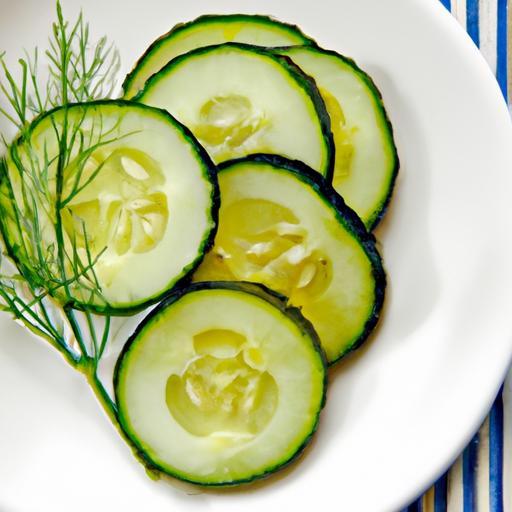
- Wash and peel the cucumbers if not using thin-skinned varieties; or else, gently scrub to retain nutrients in the skin, which houses many antioxidants. Slice into thin rounds or quartered sticks for visual appeal and crisp texture.
- Place cucumbers in a large bowl. Sprinkle with sea salt and toss gently. Let sit for 10 minutes to draw out excess water-this step ensures your salad remains crisp and not watery.
- Drain liquid carefully and pat the cucumbers dry with a paper towel to maximize crunch.
- Whisk together olive oil, white wine vinegar (or lemon juice), honey, minced garlic (if using), and freshly ground black pepper in a small bowl until emulsified.
- Pour dressing over cucumbers, add chopped dill, and toss gently until evenly coated. The fresh dill releases a fragrant brightness, complementing the cooling crunch of the cucumbers perfectly.
- Adjust seasoning with additional salt or a splash of vinegar to balance flavors according to your palate.
- Transfer to a serving dish and garnish with crumbled feta cheese for a creamy texture contrast. Chill briefly for 15-20 minutes before serving to meld flavors-even better if made an hour ahead.
Chef’s Notes
- Variation: Add thin slices of radish or a handful of toasted walnuts to introduce crunch and a peppery kick.
- Substitutions: Use apple cider vinegar for a fruitier tang, or fresh mint rather of dill for a different aromatic profile.
- Storage: Keep the salad refrigerated and eat within 24 hours for peak freshness. The cucumber can release moisture over time, so toss lightly again before serving.
- Make-Ahead Tip: Prepare the dressing separately and toss just before serving to maintain ultimate crispness.
- Common Issue: If cucumbers seem bitter,soak sliced cucumbers in cold water with a pinch of salt for 30 minutes and rinse well before dressing.
Serving Suggestions
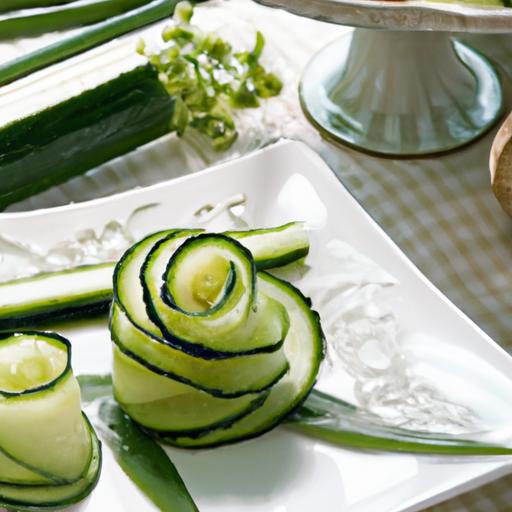
This cucumber salad shines as a refreshing accompaniment to grilled dishes like lemon-herb chicken or warm pita and hummus platters. For a visually stunning presentation, serve in clear bowls layered with fresh herbs and edible flowers.Garnish with a wedge of lemon or a sprig of dill to add a burst of color and brightness.

| Nutrient | Per Serving |
|---|---|
| Calories | 70 kcal |
| Protein | 1.5 g |
| Carbohydrates | 5 g |
| Fat | 5 g |
Unlocking Nutritional Secrets
within every crisp cucumber lies an abundance of hydration and essential minerals. Packed with over 90% water, cucumbers provide crucial electrolytes like potassium and magnesium, perfect for replenishing on hot days.Beyond refreshing bites, cucumbers boast antioxidants such as beta-carotene and vitamin C, supporting skin health and aiding digestion. Including cucumbers in your daily menu contributes to gentle detoxification and promotes a natural glow.
Harvesting Tips for Optimal Crispness
For gardeners and home farmers,timing is everything. Harvest cucumbers when they are firm, dark green, and uniformly sized before seeds enlarge and the skin thickens. Picking in the early morning preserves their watery crunch. Handling cucumbers gently and storing them in a cool, humid habitat maintains their texture and flavor until ready to eat.
Creative Culinary Uses to Elevate Your Cucumber Experience
Move beyond salads with these inspired ideas:
- Cucumber Gazpacho: Blend cucumbers with yogurt, fresh mint, and a touch of garlic for a chilled summer soup.
- Cucumber Sushi Rolls: Use thin cucumber slices as wrappers filled with avocado, crab, or smoked salmon.
- Infused Water: Add cucumber ribbons into sparkling water with lemon and basil for a spa-like hydration boost.
- Pickled Delights: Rapid-pickle cucumbers with ginger, chili, and rice vinegar for a tangy condiment that livens any dish.
Explore more fresh recipes featuring garden-fresh ingredients on our Fresh Seasonal Recipes page.For deep dives into the science behind cucumber nutrition, visit the Nutrition society.
Q&A
Q&A: cucumber Chronicles – Fresh Facts from Garden to Table
Q1: What makes cucumbers such a refreshing garden favorite?
A: Beyond their crisp texture and cooling flavor, cucumbers are nature’s hydration heroes-composed of about 95% water! Their quick growth and ease of cultivation make them a gardener’s delight, thriving under sunny skies and a little TLC.
Q2: How did cucumbers earn their place on our plates throughout history?
A: Cucumbers have been charming palates for over 3,000 years, originating in India before trekking through ancient Egypt and Rome. Their versatility in dishes-from salads and pickles to soothing skincare remedies-reflects a timeless appeal that crosses cultures and cuisines.
Q3: What are some surprising health perks hidden inside a humble cucumber?
A: Packed with antioxidants like cucurbitacins and flavonoids,cucumbers battle inflammation and may support heart and bone health. Their fiber content aids digestion, while compounds like silica promote radiant skin and hair-it’s a crunchy nutritional cocktail!
Q4: Can growing cucumbers at home be rewarding for beginners?
A: Absolutely! Cucumbers are forgiving plants that flourish with regular watering, warm soil, and a sunny spot.Whether trained up a trellis or sprawling across the garden bed, they offer quick gratification and a bounty of cool cucumbers ripe for harvest.
Q5: What’s the secret to keeping cucumbers fresh from garden to table?
A: Timing is everything-pick cucumbers when they’re firm, glossy, and evenly green. Store them in a cool, humid environment like the fridge’s crisper drawer to preserve their crunch.For an extra zing, slice and toss with a splash of lemon or a sprinkle of sea salt just before serving.
Q6: How do cucumbers inspire culinary creativity beyond the salad bowl?
A: Think beyond the classic cucumber salad-try them spiralized into noodles,infused in refreshing waters,or blended into chilled soups. Their mild flavor pairs beautifully with herbs, citrus, and spices, inviting endless experimentation from garden to gourmet.
Q7: Are all cucumbers created equal? What varieties should we certainly know about?
A: Not quite! From the slender English cucumbers with their thin skins, to the prickly, hearty slicing varieties, and the tiny, sweet pickling types-the cucumber family is delightfully diverse. Each offers unique textures and flavors suited to different recipes and growing conditions.
Q8: What role do cucumbers play in sustainability and eco-pleasant eating?
A: Homegrown cucumbers reduce reliance on long-distance shipping, cutting carbon footprints. Their minimal fertilizer needs and fast growth make them a sustainable crop choice, while enjoying them fresh minimizes waste-embracing cucumbers means savoring both flavor and earth-friendly benefits.
Q9: How can someone incorporate cucumbers into a balanced diet?
A: Cucumbers shine as low-calorie snacks, hydrating additions to meals, and refreshing accompaniments to protein-rich dishes. Combining them with healthy fats, like avocado or olive oil, enhances nutrient absorption, weaving cucumbers seamlessly into vibrant, wholesome eating patterns.
Q10: What’s one surprising cucumber fact that might change how we see this garden gem?
A: Did you know cucumbers belong to the same plant family as pumpkins and melons? This juicy kinship explains their thirst-quenching nature and vining growth habit-reminding us that this cool cucumber is part of a larger, tasty botanical story waiting to be savored.
In Summary
As the humble cucumber journeys from seed to salad, it reveals a story far richer than its crisp, refreshing bite might suggest. From ancient gardens to modern tables, this verdant marvel continues to cool and nourish with effortless charm.Whether sliced thin in a summer salad or blended into a revitalizing drink, cucumbers remind us that the simplest ingredients often carry the freshest tales. So next time you crunch into this garden gem,savor not just the flavor but the fascinating journey it undertook-a true testament to nature’s quiet brilliance from garden to table.