
In the vibrant world of global cuisine, few dishes capture the heart and palate quite like Thai green noodle soup. A harmonious blend of fragrant herbs, zesty spices, and tender noodles swimming in a luscious, emerald-hued broth, this dish is more than just a meal-it’s a soulful journey through the rich tapestry of Thailand’s culinary heritage. Whether you’re a seasoned foodie or an adventurous cook eager to explore new flavors, our guide to Thai green noodle soup invites you to savor every spoonful, uncover the secrets behind its distinctive taste, and discover how this comforting bowl of goodness can transform your dining experience. Get ready to dive into a symphony of flavors that dance on the tongue and warm the soul.
Savor the Flavors: A Guide to Thai Green Noodle Soup transports you into the vibrant culinary world of Thailand’s beloved street food culture. This soul-soothing soup is a fragrant harmony of fresh herbs, creamy coconut, and lively spices that marry perfectly with tender noodles and garden-fresh vegetables. Its roots trace back to Thailand’s central plains, were families gather around steaming pots of broth infused with local ingredients, offering warmth and comfort with every spoonful.
Prep and Cook Time
- Preparation: 20 minutes
- Cooking: 40 minutes
- Total time: 1 hour
Yield
Serves 4 generous bowls
Difficulty Level
Medium – perfect for home cooks looking to deepen their knowledge of authentic Thai flavors
Ingredients
- 5 cups chicken or vegetable broth, homemade or low sodium
- 1 cup green curry paste, fresh or store-bought (look for Thai origin for authenticity)
- 1 (14 oz) can coconut milk, full fat for richness
- 200g flat rice noodles or “sen lek” noodles, soaked for 15 minutes
- 2 tbsp fish sauce (adjust to taste)
- 1 tbsp palm sugar (or light brown sugar)
- 1 cup thai basil leaves, fresh
- 1 cup bean sprouts, rinsed and drained
- 1 medium zucchini, julienned
- 1 cup snap peas, trimmed and halved
- 1 lime, cut into wedges for serving
- 3 cloves garlic, minced
- 1 tbsp vegetable oil
- Optional: sliced red chili or bird’s eye chili for heat
Instructions
- Prepare the noodles: Soak the flat rice noodles in warm water for about 15 minutes until pliable but firm, then drain and set aside.
- Sauté aromatics: Heat vegetable oil over medium heat in a large pot. Add minced garlic and sauté until fragrant,approximately 1 minute.
- Add green curry paste: Incorporate the green curry paste into the pot and cook for 3-4 minutes, stirring frequently to release the bold fragrance of lemongrass and kaffir lime leaves embedded in the paste.
- Simmer broth: Pour in the chicken or vegetable broth along with the coconut milk. Stir well to combine and bring to a gentle boil.
- Season the broth: Add fish sauce and palm sugar, adjusting seasoning as necessary to achieve a subtle balance of salty and sweet notes characteristic of Thai cuisine.
- Cook the vegetables: Add snap peas and zucchini; simmer for 5 minutes until tender yet crisp.
- Add noodles: Stir in the soaked noodles and cook for an additional 2-3 minutes, allowing them to soak up the flavorful broth.
- Finish with fresh herbs: Turn off the heat and gently fold in the Thai basil leaves to infuse their sweet, anise-like aroma without wilting them excessively.
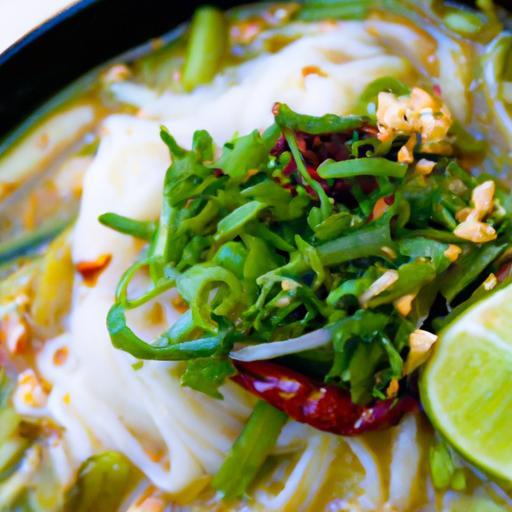
- Serve immediately: Ladle the soup into bowls and garnish with bean sprouts, a wedge of lime, and optional fresh chili slices for an added kick.
Tips for success
- Fresh is key: Using freshly made green curry paste elevates the soup with vibrant flavors that store-bought cannot fully replicate. If unavailable, select a high-quality brand labeled “Thai green curry paste.”
- Balancing act: Thai cooking hinges on the harmony of salty, sweet, sour, and spicy. Taste as you go and adjust fish sauce,sugar,or lime juice to suit your palate.
- Noodle choice matters: Flat rice noodles (sen lek) have the ideal texture, absorbing the broth lovingly without becoming mushy. avoid instant noodles that can alter the authentic experience.
- Make-ahead tips: prepare the broth base in advance and store in an airtight container; combine with fresh noodles and garnishes just before serving for the freshest taste and texture.
- Vegetarian option: Substitute fish sauce with soy sauce or tamari and use vegetable broth to keep this soup plant-based and utterly satisfying.
Serving Suggestions
Present your Thai green noodle soup in wide, shallow bowls to showcase the vibrant hues of green curry and fresh vegetables. Add a sprig of thai basil atop each bowl and place lime wedges alongside for guests to squeeze as desired. A side of crunchy fried shallots or crushed roasted peanuts provides delightful textural contrast. Pair with crisp Thai iced tea or jasmine rice on the side for the full comforting meal experience.
| Nutrient | Per Serving |
|---|---|
| Calories | 320 kcal |
| Protein | 12 g |
| Carbohydrates | 38 g |
| Fat | 14 g |

For those eager to dive deeper into Thai culinary traditions and explore complementary dishes, check out our Guide to Essential Thai Herbs and Spices. To learn more about the fascinating history of Thai curry pastes, visit Britannica’s Curry Overview.
Q&A
Q&A: Savor the Flavors – A Guide to Thai green Noodle Soup
Q1: What exactly is Thai Green Noodle Soup?
A1: Thai Green Noodle Soup, or “Kuay tiew Kiew Wan,” is a vibrant, aromatic dish that marries silky rice noodles with a luscious, green-hued broth bursting with herbs and spices. Unlike the more commonly known Tom Yum or tom Kha soups, this soup offers a refreshing twist with its herbaceous and slightly creamy flavor profile, often featuring fresh green chilies, cilantro, lime leaves, and sometimes a swirl of coconut milk.
Q2: What gives the soup its distinct green color?
A2: The enchanting emerald shade comes primarily from fresh green chilies and verdant herbs like cilantro, Thai basil, and sometimes kale or spinach blended into the broth. These ingredients not only tint the soup but infuse it with a fresh,garden-like aroma and a gentle kick that awakens the palate.
Q3: What types of noodles are typically used?
A3: Thai Green Noodle Soup traditionally uses thin or medium-width rice noodles, called “sen lek” or “sen mee.” Their delicate texture allows them to soak up the flavorful broth without becoming mushy, providing that perfect, slurp-worthy bite.
Q4: How is the broth prepared to balance flavors?
A4: Achieving the broth’s signature balance involves a symphony of ingredients-fresh green chilies for heat, kaffir lime leaves for citrusy brightness, galangal for earthiness, and lemongrass for a floral zing. Fish sauce adds umami depth,while palm sugar rounds off the sharp edges with subtle sweetness. Sometimes a touch of coconut milk or blended green herbs enriches the broth’s texture and color.
Q5: Can Thai Green Noodle Soup be made vegetarian or vegan?
A5: Absolutely! By swapping fish sauce with soy sauce or tamari and using vegetable broth rather of chicken or pork stock, you can craft a vibrant vegetarian or vegan version without compromising the soul of the soup.Packing in extra fresh herbs and mushrooms enhances its earthiness and complexity.
Q6: What are some popular garnishes and toppings?
A6: Common toppings include fresh bean sprouts,chopped green onions,aromatic Thai basil,crispy fried garlic,and a squeeze of lime. Occasionally,tender slices of chicken,pork,or seafood are added,but the fresh,crunchy accompaniments remain the heart of this dish’s texture contrast.
Q7: How is Thai green Noodle Soup traditionally enjoyed?
A7: this soup is best savored piping hot and with a spoon in one hand and chopsticks in the other, allowing you to alternate between slurping noodles and sipping broth.It’s a comforting bowl perfect for any time of day, frequently enough enjoyed as a hearty breakfast or a light dinner.
Q8: Where can one find authentic Thai Green Noodle soup outside of Thailand?
A8: Many authentic Thai restaurants with regional specialties include this soup on their menus. Exploring local Thai markets or Asian groceries can also provide the essential ingredients to recreate it at home, allowing you to bring that unmistakable burst of Thai street-food flavor to your own kitchen.
Q9: What makes Thai Green Noodle Soup stand out from other Thai soups?
A9: Its unique blend of fresh green herbs and vibrant green chilies distinguishes it from the fiery reds of Tom Yum or the creamy whites of Tom Kha. It strikes a harmonious balance between spicy, sour, sweet, and herbal notes, making it a refreshing and less heavy alternative that invites culinary exploration.
Q10: Any tips for someone wanting to master this soup at home?
A10: Freshness is key-seek out the freshest herbs and chilies. Don’t rush the broth: simmer gently to develop depth without losing vibrancy. Taste as you go, adjusting the interplay of heat, sweetness, and acidity. Lastly, plate it with a flourish-let the vivid green broth sparkle alongside crisp garnishes to truly savor the flavors visually and gastronomically.
The Conclusion
As the final spoonful of Thai green noodle soup warms your palate, you realize this dish is more than just a meal-it’s a vibrant tapestry of flavors, history, and tradition. From the zesty kick of fresh herbs to the comforting embrace of silky noodles,every element tells a story of Thailand’s rich culinary heritage. Whether you’re a seasoned foodie or a curious newcomer, savoring this soup invites you to explore a world where freshness meets spice, and simplicity dances with complexity. So next time you crave a bowl that awakens your senses and soothes your soul,remember: Thai green noodle soup is not just food-it’s an experience waiting to be savored.