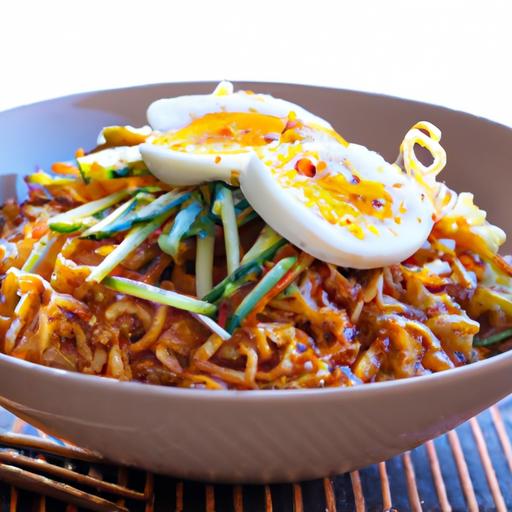

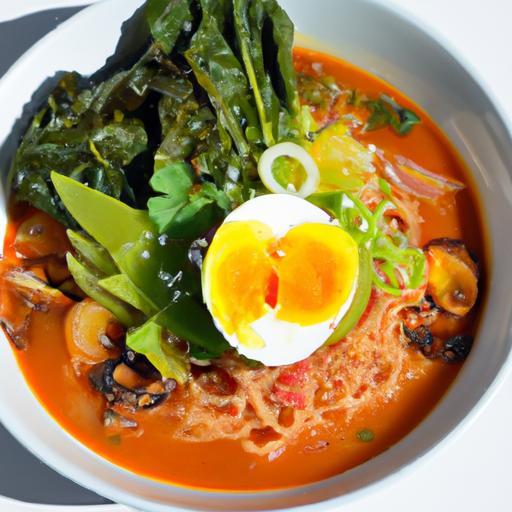
In the vibrant world of culinary fusion, where tradition meets innovation, a new star is boldly rising on the horizon of comfort food: Gochujang Miso Ramen noodles. This captivating blend marries the deep, umami richness of Japanese miso with the fiery, spirited kick of Korean gochujang, creating a symphony of flavors that excite the palate and soothe the soul. Welcome to the realm of Spicy Harmony-a tasty exploration of how these two iconic ingredients come together in perfect balance, transforming a humble bowl of ramen into an unforgettable journey of taste and texture. Join us as we dive into the origins, the artistry, and the sheer bliss behind this irresistible noodle nirvana.
The Rich History Behind Gochujang and Miso Fusion
Spicy Harmony, deeply rooted in the culinary traditions of Korea and japan, beautifully marries the bold, fermented flavors of gochujang and the umami depth of miso. Gochujang, a staple Korean chili paste made from fermented soybeans, chili powder, and glutinous rice, dates back centuries as a cornerstone in Korean kitchens. Miso, originating from Japan, is a fermented soybean paste that imparts a savory, rich backbone to countless dishes. When combined, these two elements create a broth with an intricate balance of heat, sweetness, and earthy savoriness.
This fusion reflects a timeline of cultural exchange and innovation in Asian cuisine, symbolizing harmony despite contrasting profiles. It’s not just a recipe; it’s a flavorful story that gives each spoonful of the broth its dynamic character.
Crafting the Perfect Broth Balance for Spicy Harmony
Creating the ideal broth for this gochujang miso ramen means achieving a luscious, velvety base where spicy heat and savory depth sing in unison. Start your broth by simmering pork bones or chicken carcasses with aromatics like garlic, ginger, and dried shiitake mushrooms, extracting layers of rich flavor. Incorporate miso paste dissolved gently in hot broth to maintain its delicate enzymes and flavors, and balance it with spoonfuls of gochujang for a gentle yet assertive spiciness.
Don’t underestimate the power of balancing: a dash of sugar or mirin can introduce subtle sweetness that tempers the chili’s heat, while a splash of soy sauce enhances umami complexity. The broth should coat the noodles with intensity but still invite comfort with every bite.
selecting Noodles and toppings to Elevate Your Ramen experience
The choice of noodles is crucial to elevate your gochujang miso ramen experience. Opt for firm, chewy ramen noodles that can hold up against the bold, spicy broth without turning mushy. Fresh alkaline noodles offer that perfect spring and bite; dried can suffice but soak or boil carefully to preserve texture.
Toppings transform this dish from comforting to unforgettable. Classic soft-boiled eggs marinated in soy, thinly sliced chashu pork, and crunchy bean sprouts contrast the silken broth. Add a handful of fresh scallions, toasted sesame seeds, and a sheet of crisp nori for texture and visual appeal. For extra depth,consider bamboo shoots or pickled kimchi,both bringing acidity and crunch to balance the richness.
Expert Tips for Homemade Gochujang Miso Ramen Bliss
Achieving Spicy Harmony in gochujang miso ramen at home is all about patience and layering flavors thoughtfully. Here are some tips to ensure success:
- Toast your miso lightly in a dry pan before adding it to the broth to deepen its nutty flavors.
- When stirring in gochujang, do so off the heat or in low heat to preserve its complex chili notes without bitterness.
- For a more intense broth, simmer the bones for at least 4 to 6 hours, replenishing water as needed to concentrate flavors.
- marinate your ramen egg overnight in a soy and mirin mixture for a creamy, flavorful yolk.
- prepare toppings in advance and assemble just before serving to maintain textural contrast.
Prep and Cook Time
- preparation: 20 minutes
- Broth Simmering: 4 hours (can be shortened to 2 with pressure cooker)
- Assembly: 10 minutes
Yield
Serves 4 hearty bowls of nourishing ramen
Difficulty Level
Medium - requires some time and attention but fully approachable for home cooks seeking to master ramen fundamentals
Ingredients
- 2 lbs pork bones or chicken carcasses, for broth base
- 10 cups water
- 4 cloves garlic, smashed
- 1-inch piece ginger, sliced thin
- 3 dried shiitake mushrooms
- 4 tbsp white miso paste
- 3 tbsp gochujang
- 2 tbsp soy sauce
- 1 tbsp mirin
- 1 tsp sugar
- 12 oz fresh ramen noodles
- 4 soft-boiled eggs, marinated
- 4 slices chashu pork
- 1 cup bean sprouts, blanched
- 2 scallions, finely sliced
- 1 sheet nori, cut into strips
- 1 tbsp toasted sesame seeds
Instructions
- Prepare the Broth: In a large pot, cover pork bones (or chicken carcass) with cold water. Bring to a rolling boil for 10 minutes, then drain and rinse bones. This cleans impurities for a clearer broth.
- Simmer Aromatics: Refill pot with 10 cups fresh water, add bones, garlic, ginger, and shiitake mushrooms. Simmer gently for 4 hours, skimming foam occasionally.
- Prepare the Flavor Base: In a small dry skillet, toast miso paste over low heat for 1-2 minutes until fragrant (do not burn). Remove from heat and whisk with a small ladle of hot broth until smooth.
- Combine and Season: Stir miso mixture into the broth along with gochujang, soy sauce, mirin, and sugar. Adjust to taste-adding more gochujang if desired for heat, or sugar for sweetness.
- Cook Noodles: Boil ramen noodles according to package instructions (usually 2-3 minutes for fresh), drain well.
- Assemble Bowls: Divide noodles into four bowls. Ladle hot broth over noodles.
- Add Toppings: Garnish each bowl with marinated soft-boiled egg halves, chashu pork slices, blanched bean sprouts, scallions, nori strips, and sesame seeds.
- Serve Immediately: Encourage diners to mix gently,enjoying the vibrant,spicy,umami-rich harmony.
chef’s Notes
- Substitute chicken bones for a lighter broth experience or blend pork and chicken for complexity.
- For vegetarian adaptation, use kombu and dried shiitake broth with miso and gochujang, omitting meat toppings and replacing with tofu cubes.
- Make broth ahead: It reheats beautifully and deepens in flavor stored overnight.
- Play with chili heat: add less gochujang for mild or include fresh sliced chilies for extra punch.
- Upgrade toppings with pickled bamboo shoots or kimchi for added texture and acidity.
Serving Suggestions
Present your gochujang miso ramen in deep ceramic bowls to retain heat and showcase the rich, reddish broth contrasting with the creamy egg yolks and vibrant green scallions. Pair with a side of steamed edamame and lightly pickled vegetables. To enhance the dining experience, offer condiments such as toasted chili oil, shichimi togarashi, or finely chopped garlic.

| Nutrient | Amount (per serving) |
|---|---|
| Calories | 520 kcal |
| Protein | 35 g |
| Carbohydrates | 45 g |
| Fat | 20 g |
To dive deeper into ramen techniques, visit our Ultimate Ramen Guide, and for cultural context on miso’s role in Japanese cuisine, explore britannica’s Miso article.
Q&A
Q&A: Spicy Harmony – Exploring gochujang Miso Ramen Noodles Bliss
Q1: What exactly is Gochujang Miso Ramen?
A1: gochujang Miso ramen is a vibrant fusion dish that marries the bold, spicy flavor of Korean gochujang paste with the savory depth of Japanese miso. This ramen variation offers a rich, umami-packed broth with an irresistible kick – a true celebration of East Asian culinary harmony.
Q2: How do gochujang and miso complement each other in this ramen?
A2: Gochujang brings a complex heat-sweet, spicy, and slightly fermented-while miso adds mellow saltiness and earthiness. Together, they create a balanced broth that’s simultaneously fiery and comforting, turning an ordinary bowl of ramen into a flavor symphony that dances on the palate.
Q3: What are the key ingredients that make this ramen unique?
A3: Beyond the star duo of gochujang and miso, this ramen typically features tender noodles, rich broth (frequently enough chicken, pork, or vegetable-based), fresh veggies like scallions and mushrooms, soft-boiled eggs, and sometimes marinated meats or tofu. Garnishes such as toasted sesame seeds, nori strips, or chili flakes amplify the flavors further.
Q4: Is Gochujang Miso Ramen spicy for everyone?
A4: The heat level can be tailored! While gochujang is traditionally spicy, it’s also subtly sweet and not overwhelmingly hot. By adjusting the amount added, cooks can create a mild warmth or an intense fiery punch, making the dish accessible to a wide range of spice tolerances.
Q5: can I make Gochujang Miso Ramen at home?
A5: absolutely! With a few essential pantry items-ramen noodles, miso paste, gochujang, broth base-and fresh toppings, crafting this dish at home is perfectly feasible. Plus, home cooking lets you experiment with spice levels and ingredients, personalizing your bowl of bliss.
Q6: What makes Gochujang Miso ramen stand out from conventional ramen?
A6: Its distinctive fusion origin sets it apart. While traditional Japanese ramen centers on soy or miso-based broths, the addition of Korean gochujang injects a lively, spicy complexity. This cross-cultural blend expands the ramen spectrum, offering something new yet nostalgically comforting.
Q7: Who would most enjoy this ramen?
A7: Food adventurers and spice lovers alike! If you crave bold flavors and love exploring fusion dishes that celebrate Asian culinary traditions, Gochujang Miso Ramen is a soul-satisfying bowl begging to be savored.Q8: Any tips for pairing beverages with Gochujang Miso Ramen?
A8: Cooling drinks work wonders here-think chilled green tea, light lager, or a crisp, slightly sweet white wine like Riesling. These beverages soothe the heat while complementing the dish’s rich umami notes, creating a balanced dining experience.
Q9: How does Gochujang Miso Ramen fit into modern food culture?
A9: It embodies the vibrant trend of culinary fusion, where tradition meets innovation. This ramen is a testament to global flavor dialogues, inviting cooks and diners alike to celebrate diversity on a single, savory stage.
Q10: What’s the best way to savor this ramen for ultimate bliss?
A10: Take it slow. Let the aroma draw you in, savor each slurp of the spicy, umami-infused broth, and relish the textures from chewy noodles to soft eggs. With every bite, you’re tapping into a harmonious world where spicy meets savory in perfect balance-a true noodle nirvana.
To Wrap It Up
As we close the flavorful chapter on Spicy Harmony: Exploring Gochujang miso Ramen Noodles Bliss, it’s clear that this vibrant fusion dish is much more than a meal-it’s a symphony of culture and spice on a single plate. The bold, fiery kick of gochujang dances seamlessly with the deep, umami-rich notes of miso, creating a broth that both comforts and excites the palate. Whether you’re a seasoned ramen lover or a culinary adventurer seeking new tastes, this harmonious blend invites you to savor the art of fusion cooking. So next time hunger strikes, remember: sometimes the most unforgettable bliss lies in the perfect balance of heat, savor, and tradition swirling together-just like a bowl of gochujang miso ramen.