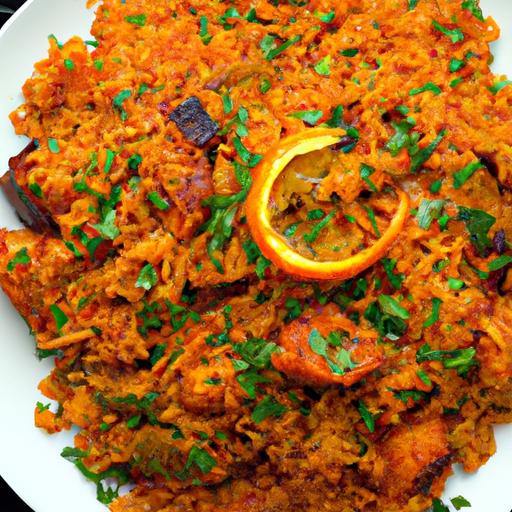

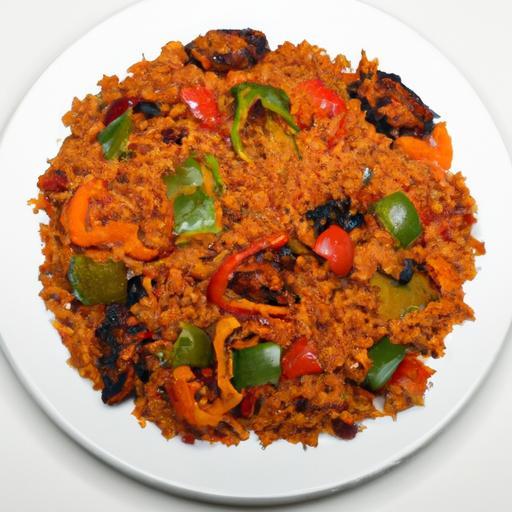
Jollof Rice is more than just a dish-it’s a vibrant celebration of West Africa’s rich culinary heritage, a flavorful feast that unites generations adn countries with every aromatic bite. From the bustling streets of Lagos to the festive gatherings in Accra, this beloved rice dish tells a story of tradition, culture, and community. Bursting with rich tomatoes, bold spices, and perfectly cooked grains, Jollof Rice has captivated taste buds far beyond its origins, earning a cherished place on tables around the world. In this article, we’ll uncover the secrets behind Jollof Rice’s irresistible allure, exploring its history, regional variations, and the reasons why it continues to be a symbol of joy and togetherness across West Africa and beyond.
Jollof rice is more than just a dish; it’s a vibrant tapestry of West African culture, history, and flavor. This beloved feast resonates across nations like Nigeria, Ghana, Senegal, and beyond, each claiming their unique spin while honoring its essence. Known for its rich,smoky tomato base infused with bold spices,Jollof Rice has evolved from humble origins into a celebrated culinary jewel,perfect for gatherings,celebrations,or a comforting family meal. Weather you’re a novice or an aficionado, mastering this recipe at home unlocks the secrets of a timeless West African treasure.
Prep and Cook Time
- Preparation Time: 20 minutes
- Cooking Time: 40 minutes
- Total Time: 1 hour
yield
Serves 6 generous portions
Difficulty Level
Medium – approachable for dedicated home cooks ready to embrace West African flavors
Ingredients for Authentic Jollof Rice
- 3 cups long-grain parboiled rice, rinsed and drained
- 1/4 cup vegetable oil (groundnut or sunflower recommended)
- 1 large onion, finely sliced (divided: half for sauce, half for frying)
- 2 large tomatoes, blended smooth
- 1/4 cup tomato paste
- 3 large red bell peppers, blended (optional for added sweetness and color)
- 2 Scotch bonnet peppers, whole or chopped (adjust to heat preference)
- 3 cloves garlic, minced
- 1 tbsp fresh ginger, grated
- 2 tsp smoked paprika
- 1 tsp thyme (dried or fresh)
- 2 bay leaves
- 4 cups chicken broth (or vegetable broth for a vegetarian version)
- Salt and black pepper to taste
- 1 cup mixed vegetables (carrots, peas, green beans – optional)
- Fresh cilantro or parsley for garnish
Step-by-Step Guide to Preparing Authentic Jollof Rice at Home
- heat the oil in a large heavy-bottomed pot over medium heat. Add half of the sliced onions and sauté until golden and fragrant, about 5 minutes, stirring to avoid burning.
- Add minced garlic and grated ginger. Sauté for another 2 minutes until aromatic.
- Stir in the blended tomatoes, red bell peppers, and tomato paste. Cook this rich sauce on medium-low heat for 15-20 minutes, stirring occasionally. You want to reduce the juices until the sauce thickens and the oil begins to separate – a sign of deep flavor growth.
- Add smoked paprika, thyme, bay leaves, salt, and pepper. Stir well and simmer for 5 minutes to marry the spices with the sauce.
- Rinse the rice again under cold water until clear and drain thoroughly to remove excess starch.
- pour in the chicken broth and bring the sauce to a gentle boil.add the rice carefully, folding it into the sauce to ensure each grain is enveloped in the stunning red mixture.
- Reduce the heat to low, cover the pot tightly with a lid or foil to trap steam, and let simmer for 30 minutes. Avoid uncovering too frequently – this ensures the rice cooks evenly and absorbs the sauce.
- About 10 minutes before the rice finishes cooking, stir in your mixed vegetables. This allows them to become tender without turning mushy.
- Once the rice is cooked, turn off the heat and let it rest covered for 5-10 minutes.Fluff with a fork gently to separate the grains.
- Garnish with fresh cilantro or parsley and serve immediately to savor the full spectrum of aromas and flavors.
Tips and tricks to Perfect Your Jollof Rice Every Time
- Choosing the rice: Parboiled long-grain rice shines here thanks to its firm texture and ability to absorb flavor without turning mushy.
- Layer flavors: Toast your onions and aromatics slowly and patiently-this foundation is were the magic begins.
- control your heat: Simmer gently to avoid burning or sticking. Use a heavy pot with a snug lid to mimic traditional cooking vessels.
- Tomato paste matters: Use a high-quality tomato paste for depth and richness-this boosts the iconic red hue and umami notes.
- Make it vegetarian or vegan: Swap chicken broth with vegetable broth and load up on veggies or plant-based proteins.
- Spice it up: Adjust Scotch bonnet peppers for heat, or substitute with milder chilis if preferred, to customize the fire.
- Leftovers tip: Jollof rice improves in flavor overnight-reheat with a splash of broth or water to loosen it.
- Presentation: Serve with fried plantains, grilled chicken, or a simple green salad for contrast in texture and taste.
Serving Suggestions
Jollof rice dances with colorful accents: sprinkle chopped fresh herbs and add crispy fried onions on top for crunch. Pair it with succulent grilled meats, fried plantains, or a side of creamy coleslaw. For a truly festive touch,crown your plate with a wedge of lime and sliced avocado. This vibrant dish is best enjoyed family-style, inviting all to share in the communal joy that Jollof rice inspires.

| Nutrient | Amount per Serving |
|---|---|
| Calories | 350 kcal |
| Protein | 7g |
| Carbohydrates | 60g |
| Fat | 9g |
For more ways to explore West African cuisine, check out West African Culinary Classics. To deepen your understanding of jollof rice’s heritage and variations, visit Britannica’s Jollof Rice Overview.
Q&A
Q&A: Jollof Rice - West Africa’s Beloved Flavorful Feast Revealed
Q1: What exactly is Jollof Rice?
A: Jollof Rice is a vibrant, one-pot West African dish known for its rich, smoky, and spicy tomato base infused with rice. Bursting with flavors from tomatoes, peppers, onions, and a blend of aromatic spices, it’s the ultimate comfort food and celebratory meal across countries like Nigeria, Ghana, Senegal, and beyond.
Q2: Where did Jollof Rice originate?
A: The roots of Jollof Rice trace back to the Senegambian region, especially the Wolof people, who are believed to have first crafted this appetizing tomato-and-rice dish. Over centuries, it journeyed through West Africa, evolving uniquely in each country’s culinary landscape.
Q3: What makes Jollof Rice so special and beloved?
A: Jollof Rice strikes the perfect harmony between simplicity and depth-combining staple ingredients that, when cooked slowly, develop layers of smoky, sweet, and spicy notes. Its communal nature, often served at weddings, parties, and festivals, fosters togetherness, making it a heartwarming meal and a cultural icon.
Q4: How does Jollof Rice differ across West African countries?
A: While the core ingredients remain consistent-rice, tomatoes, onions, and spices-variations distinguish each region’s signature style. Nigerian Jollof often leans on smoky flavors from charred tomatoes and peppers, Ghanaian versions sometimes incorporate basmati rice and a touch of curry seasoning, and Senegalese “Ceebu Jën” includes fish and vegetables, showcasing local ingredients and traditions.
Q5: What are the must-have ingredients for an authentic Jollof Rice?
A: Key players include long-grain parboiled or basmati rice,ripe tomatoes (fresh or paste),red bell peppers,Scotch bonnet or habanero peppers for some heat,onions,garlic,ginger,thyme,bay leaves,and vegetable or chicken stock. The magic lies in the slow simmer that allows these flavors to meld perfectly.
Q6: Can Jollof Rice be adapted for different diets?
A: Absolutely! While traditionally paired with meats or fish, Jollof can easily be turned vegetarian or vegan by adding assorted vegetables like carrots, peas, and green beans. Plant-based proteins such as tofu or legumes can also complement the dish, making it a versatile feast for all.
Q7: Why has jollof Rice sparked a ’Jollof Wars’ debate?
A: The “Jollof Wars” is a playful yet passionate rivalry, primarily between Nigeria and Ghana, over whose Jollof reigns supreme. Each side swears by their unique recipe and cooking technique, reflecting national pride and culinary heritage.Ultimately, it’s a delicious debate that celebrates the dish’s importance across West Africa.
Q8: how can someone new to jollof Rice enjoy it authentically?
A: Dive in with an open mind and a hearty appetite! Pair your Jollof with classic sides like fried plantains, steamed vegetables, or grilled meats. Embrace the communal spirit by sharing the meal with friends or family-every spoonful tells a story of culture, history, and love.
Q9: What role does Jollof Rice play in West African culture today?
A: Beyond its flavor, Jollof Rice is a symbol of unity and celebration. It brings people together during special occasions and everyday gatherings alike, representing resilience, creativity, and a shared heritage passed down through generations.
Q10: Where can I experience the best Jollof Rice outside West Africa?
A: Many cities worldwide with vibrant African diasporas host restaurants and pop-ups specializing in authentic jollof Rice. Look for establishments helmed by West African chefs or communities, and be sure to ask for recommendations on local variations to savor the rich tapestry of this beloved dish.
Future Outlook
As the vibrant spices of Jollof Rice continue to simmer across West African kitchens, this beloved dish remains much more than just a meal-it is a flavorful feast that tells stories of culture, community, and celebration. From fiery gatherings to humble family dinners, Jollof Rice connects generations with every fragrant bite, inviting us all to savor the rich tapestry of West Africa’s culinary heritage.Whether you’re a seasoned foodie or a curious newcomer, embracing Jollof Rice is an invitation to experience the heart and soul of a region where every grain carries a legacy of love and tradition.