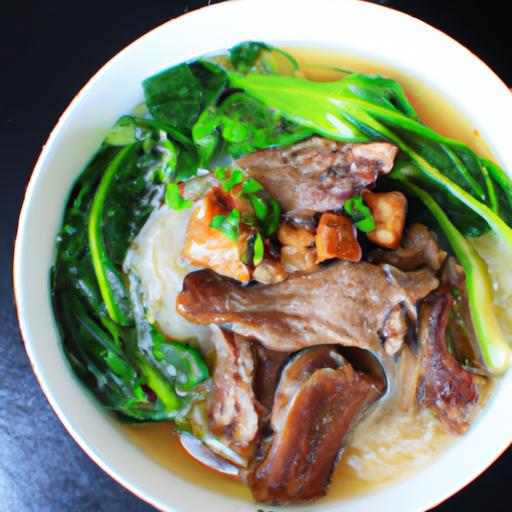

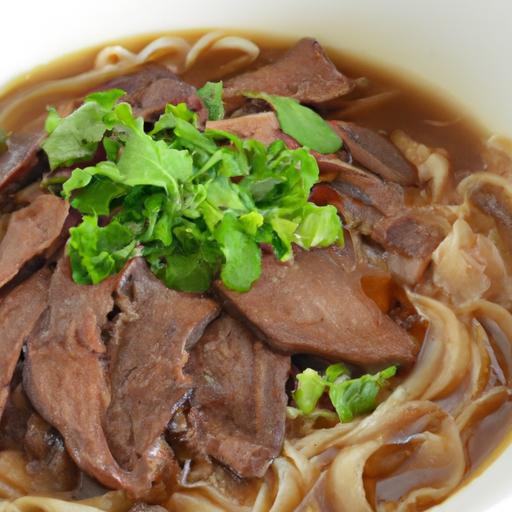
There’s something irresistibly comforting about a steaming bowl of Taiwanese beef noodle soup-the rich, aromatic broth, tender chunks of beef, chewy hand-pulled noodles, and a symphony of spices that dance on your palate. This iconic dish,beloved across Taiwan and cherished by food lovers worldwide,carries a story of tradition,culture,and culinary artistry in every bite. If you’ve ever dreamed of recreating this authentic taste in your own kitchen,now is the perfect time. In this article, we’ll guide you step-by-step to master the art of Taiwanese beef noodle soup at home, transforming humble ingredients into a masterpiece that warms the soul and satisfies the senses. Get ready to embark on a flavorful journey that brings a beloved Taiwanese classic right to your dinner table.
Master authentic Taiwanese beef noodle soup at home today with a broth that embodies rich, layered flavors, tender cuts of beef, and perfectly cooked noodles. This beloved dish, rooted in Taiwan’s vibrant street food culture, captivates with its harmony of spice, umami, and hearty textures. Crafting a soulful broth is the heart of this experience, where every simmer and ingredient melds to create a bowl of pure comfort.
Prep and Cook Time
- Readiness: 30 minutes
- Cook Time: 3 hours 30 minutes (including slow-simmering broth and beef)
- Total Time: 4 hours
Yield
Serves 6 hearty bowls – perfect for sharing or meal prep.
Difficulty Level
medium: Requires simmering patience,but straightforward steps to master.
Ingredients
- 2.5 lbs beef shank or chuck roast, trimmed and cut into large chunks
- 2 tbsp vegetable oil
- 6 cups beef broth (homemade or low-sodium store-bought)
- 4 cups water
- 1 large onion, quartered
- 5 cloves garlic, smashed
- 1 thumb-sized ginger, sliced
- 2 star anise pods
- 1 cinnamon stick
- 2 tbsp soy sauce
- 2 tbsp Shaoxing wine
- 1 tbsp rock sugar or brown sugar
- 3 dried red chili peppers (adjust for spice tolerance)
- 1 tbsp fermented bean paste (Doubanjiang)
- Fresh wheat noodles or fresh alkaline noodles, about 300g
- Handful of baby bok choy, blanched
- Chopped scallions and fresh cilantro for garnish
- pickled mustard greens (optional, for authentic tang)
Instructions
- Blanch the beef: Place beef chunks in a pot with cold water. bring to boil, skim impurities, then drain and rinse the meat; this ensures a clean, clear broth.
- Sauté aromatics: heat vegetable oil in a heavy-bottomed pot over medium heat. Add onion,garlic,and ginger,sauté until fragrant and golden,about 5 minutes.
- Build the broth: Add star anise, cinnamon stick, dried chilies, and fermented bean paste to the pot. Stir to combine the aromatic spices with the paste evenly.
- Deglaze & simmer: Pour in Shaoxing wine and soy sauce, scraping the bottom to release caramelized bits. Add beef broth and water, returning beef to the pot.Drop in rock sugar.
- Slow cook: Bring to a gentle boil, then reduce heat to maintain a simmer. Partially cover the pot and cook for 3 hours, or until beef is tender and broth is rich and deep in flavor.
- Prepare noodles: Cook noodles according to package instructions in boiling water.Drain and rinse briefly with cold water to stop cooking and preserve springiness.
- Blanch greens: Quickly blanch baby bok choy in salted boiling water until radiant green and tender crisp, about 1 minute. Drain.
- Assemble bowls: Divide noodles evenly into serving bowls. Ladle hot broth and beef chunks generously on top. Arrange baby bok choy beside the beef.
- Garnish: Sprinkle chopped scallions, fresh cilantro, and a spoonful of pickled mustard greens to capture authentic Taiwanese flavors.
- Serve instantly: Pair with chili oil or black vinegar on the side for customized dips and extra depth.
Chef’s Notes: Tips for Success
- Cut Selection: While beef shank is classic for its marbled fat and tenderness, chuck roast offers robust flavor and is budget-friendly.
- Braising Matters: Maintain a very gentle simmer to keep broth clear yet deeply flavored.A rolling boil makes the broth cloudy and toughens the meat.
- Noodle Nuance: Fresh alkaline noodles yield the correct chew and sheen,but fresh wheat noodles are a great,accessible option.
- make Ahead: The broth tastes even better the next day after flavors fully marry. Refrigerate and skim fat before reheating.
- Spice Level: Adjust dried chilies and chili oil to taste-Taiwanese beef noodle soup should have warmth without overpowering heat.
- Broth Clarity: Skimming fat and impurities during simmering refines the broth’s texture and appearance.
Serving Suggestions
For an authentic dining experience, serve your Taiwanese beef noodle soup with a side of steamed jasmine rice or a small plate of stir-fried garlic greens. Provide chili oil, black vinegar, and pickled mustard greens for guests to personalize each bite.A traditional teapot of oolong tea complements the hearty flavors perfectly. To enhance presentation, ladle the soup into large ceramic bowls and garnish with vibrant green scallions, fresh cilantro sprigs, and a final crack of white pepper for aroma and visual contrast.
| Nutrient | Per Serving |
|---|---|
| Calories | 480 kcal |
| Protein | 38 g |
| Carbohydrates | 38 g |
| Fat | 14 g |

For more inspiration, explore our appetizing noodle soup recipes and deepen your culinary repertoire. To understand more about beef cuts and their melting textures, visit Beef It’s What’s For Dinner.
Q&A
Q&A: Master Authentic Taiwanese Beef Noodle Soup at Home Today
Q1: What makes Taiwanese beef noodle soup so special compared to other beef noodle soups?
A1: Taiwanese beef noodle soup is a symphony of rich, savory broth, tender chunks of beef, and chewy hand-pulled noodles-each element balanced with fragrant spices like star anise, cinnamon, and Sichuan peppercorns. Unlike simpler beef noodle soups,this one boasts a deep,slow-cooked broth that’s both hearty and nuanced,capturing the soul of taiwan’s culinary heritage.
Q2: Can I really make authentic Taiwanese beef noodle soup at home without professional skills?
A2: Absolutely! While traditional recipes simmer for hours, home cooks can streamline the process without sacrificing flavor. With the right ingredients, a bit of patience, and a trusty wok or pot, you can recreate that iconic Taiwanese taste right in your kitchen. We’ll guide you step-by-step so you feel like a street vendor in Taipei.
Q3: What are the must-have ingredients to bring authenticity to my beef noodle soup?
A3: key players include beef shank or brisket for tender meat, fresh wheat noodles, and aromatics like ginger, garlic, and green onions. Don’t forget star anise, Chinese cinnamon sticks, and a touch of fermented bean paste or soy sauce to deepen the broth’s complexity. Bonus points for adding pickled mustard greens for that authentic tang.
Q4: How do I achieve that melt-in-your-mouth beef texture without turning it into a stew?
A4: Slow and gentle is the secret.Simmer your beef for 2 to 3 hours at a low temperature so the collagen breaks down softly but the meat holds together in generous chunks. Resist the urge to rush-this patient process unlocks the rich, tender bite that defines the dish.
Q5: What’s the best type of noodle to use, and can I substitute?
A5: The ideal choice is fresh, chewy wheat noodles, often hand-pulled or hand-made. If you can’t find fresh noodles, high-quality dried noodles or even ramen-style noodles work in a pinch, though the texture will be slightly different. Cooking the noodles just right-firm yet soft-is key to an authentic experience.
Q6: Any tips to elevate the broth’s flavor beyond the basics?
A6: Yes! Toast your spices before simmering to release their oils and aromas, and don’t skip the addition of a Chinese cooking wine or rock sugar for subtle sweetness. Adding beef bones alongside meat during simmering gives the broth a luscious body. Lastly, a splash of chili oil or a sprinkle of fresh cilantro right before serving adds a marvelous finishing touch.
Q7: How should I serve and garnish my Taiwanese beef noodle soup for that true street-food vibe?
A7: Deep bowls brimming with noodles, broth, and beef come alive with pickled mustard greens, chopped scallions, and a drizzle of aromatic chili oil. Pair your creation with a cold Taiwanese beer or jasmine tea for the full Taipei street-side experience.
Q8: Can this dish be made ahead or frozen for convenience?
A8: Definitely! The broth often tastes even better the next day as the flavors deepen. Store the broth separately from the noodles to keep texture perfect. Freeze cooked beef and broth in airtight containers for up to 2 months, then reheat slowly.Fresh noodles are best cooked fresh but can be made ahead and quickly blanched before serving.
Get ready to dive spoon-first into one of Taiwan’s most beloved comfort foods-your home kitchen is about to become the tastiest noodle haven around!
Insights and Conclusions
Bringing the rich, comforting flavors of authentic Taiwanese beef noodle soup into your own kitchen is more than just a recipe-it’s a culinary journey steeped in tradition and passion.With each simmering broth and perfectly tender bite, you connect to a vibrant culture and generations of home cooks. So gather your ingredients, embrace the art of slow cooking, and savor the satisfaction of a homemade bowl that warms both body and soul. Today, mastery is within your reach-one delicious spoonful at a time.