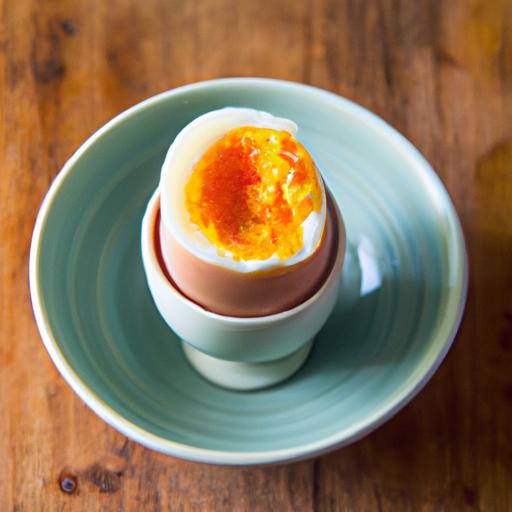

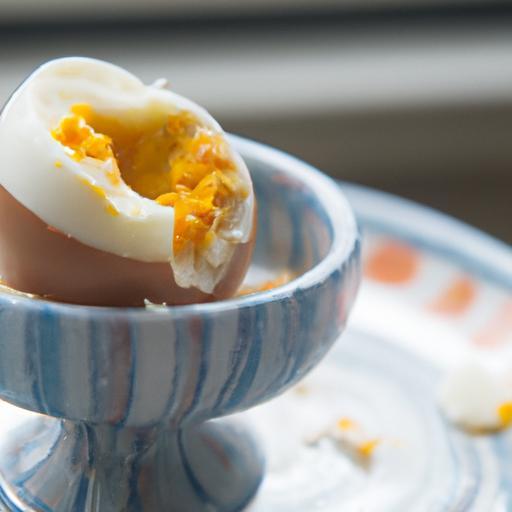
There’s something almost magical about cracking open a soft-boiled egg to reveal that gleaming, custardy yolk surrounded by tender, just-set whites. achieving this delicate balance-where the egg is neither undercooked nor rubbery-can feel like an elusive culinary triumph. Yet, mastering the art of the perfect soft-boiled egg is less about luck and more about understanding the science and technique behind it. In this article, we’ll guide you through foolproof methods, insider tips, and subtle tricks that guarantee that flawless, golden center every time you boil an egg. Prepare to elevate your breakfast ritual with a simple, satisfying pleasure perfected.
Mastering the Art of the Perfect Soft-Boiled Egg Every Time demands a nuanced understanding of egg selection, precise timing, and temperature control to achieve that lusciously silky yolk encased in tender whites. Whether you crave a subtly runny center or a custardy texture, these insights will allow you to unlock consistent results with ease.
Selecting the Ideal Eggs for Consistent Soft-Boiling Success
Start with fresh, high-quality eggs, ideally sourced from pasture-raised hens for superior flavor and texture. Slightly older eggs (about 7-10 days from purchase) actually peel more easily, making your soft-boiled experience hassle-free. Opt for medium to large eggs to standardize cooking time, and remember eggs stored at room temperature cook more evenly than those straight from the fridge.
Timing Techniques to Achieve your Desired Yolk Texture
Timing is everything when it comes to soft-boiled eggs. For a delightfully jammy yolk with glossy whites, set a precise timer for 6 minutes once water is at a rolling boil. Want a silkier, just-set yolk? Reduce the time to 5 minutes. Conversely, push it toward 7 minutes for a firmer but still creamy yolk. Use a kitchen timer for accuracy, and immerse eggs gently with a slotted spoon to avoid cracks.
Temperature Control Tips for Even Cooking Without Cracks
Begin by bringing water to a gentle boil,then reduce to a simmer before adding eggs,preventing the violent agitation that causes shell breakage. maintain a steady temperature around 85-90°C (185-194°F) to encourage even cooking and prevent rubbery whites. After cooking, shock the eggs immediately in an ice bath for at least 3 minutes to halt residual heat and lock in perfect texture.
Creative Serving Ideas to Elevate Your Soft-Boiled Egg Experience
Transform your soft-boiled eggs from simple breakfast fare to a gourmet delight. Serve atop buttered toast soldiers sprinkled with flaky sea salt and cracked black pepper.Nestle them into bowls of ramen or grain salads with a drizzle of toasted sesame oil and a sprinkle of crushed chili flakes. For brunch, crown avocado toast with halved eggs and fresh microgreens, or accompany them with a dollop of tangy hollandaise for decadence.
Prep and Cook Time
- Readiness: 2 minutes
- Cooking: 5-7 minutes depending on preferred yolk consistency
- Cooling: 3 minutes (ice bath)
Yield
Serves 1-2, depending on appetite
Difficulty Level
Easy – perfect for all skill levels
Ingredients
- 2 large fresh eggs, at room temperature
- Water to cover eggs by 1 inch
- Ice cubes for ice bath
- Salt and pepper, to taste
- Optional garnishes: flaky sea salt, cracked black pepper, fresh herbs, toasted bread
Instructions
- Bring a medium pot of water to a rolling boil. Reduce heat to maintain a gentle simmer, ideally around 85-90°C (185-194°F).
- Using a slotted spoon, gently lower room temperature eggs into the simmering water to prevent cracking.
- Set a timer: 5 minutes for silky runny yolks, 6 minutes for jammy, or 7 minutes for creamier but firm yolks.
- While eggs cook, prepare an ice bath by filling a bowl with cold water and ice cubes.
- When timer sounds, immediately transfer eggs to the ice bath to stop cooking and make peeling more manageable.
- Let eggs chill in the ice bath for at least 3 minutes before peeling or serving.
- Crack the shell gently,peel under running water if necessary,and enjoy as-is or with your chosen garnishes.
Chef’s Notes & Tips for Success
- Use a kitchen thermometer to maintain consistent simmering temperature and avoid broken shells.
- Older eggs peel easier due to pH changes in the whites-consider buying a week in advance.
- For ultra-smooth whites, avoid boiling water directly; simmering is key.
- Soft-boiled eggs can be made ahead and stored in the fridge unpeeled for up to 24 hours-reheat briefly in hot water before serving.
- Experiment with flavored salts, dukkah, or crushed nori for an added umami punch.
Serving Suggestions
- Serve halves on top of buttered toast soldiers with a sprinkle of flaky sea salt and cracked pepper.
- Place halves in a bowl of miso ramen for added richness and texture contrast.
- Top fresh greens or grain bowls with soft-boiled halves, avocado slices, and a splash of chili oil.
- For brunch decadence,nestle halves on scrambled eggs or smear with truffle butter.
| Nutritional Info (per egg) | Amount |
|---|---|
| Calories | 70 kcal |
| Protein | 6 g |
| Carbohydrates | 0.6 g |
| Fat | 5 g |
For more innovative egg recipes, explore our Egg Recipes collection. To dive deeper into egg science and tips, visit the Serious Eats Egg Science Guide.

Q&A
Q&A: Mastering the Art of the Perfect Soft-Boiled Egg Every time
Q1: What makes a soft-boiled egg “perfect”?
A: The perfect soft-boiled egg boasts a delicate balance: a tender, just-set white that gently cradles a luxuriously creamy, slightly runny yolk. It’s that magical texture contrast that turns a simple egg into a breakfast masterpiece.
Q2: does the size or freshness of the egg affect the outcome?
A: Absolutely! Fresh eggs tend to hold their shape better, producing firmer whites, while older eggs might be easier to peel but can have looser whites. Egg size influences cooking time-larger eggs need a bit more heat to reach that soft-boiled nirvana.
Q3: What’s the secret to timing the egg perfectly?
A: Timing is your best freind. For large eggs, 5 to 6 minutes in gently boiling water usually does the trick. Start your timer the moment the eggs hit the water, and maintain a gentle boil to avoid tough whites or overcooked yolks.
Q4: Should I start with cold or boiling water?
A: Both methods work, but starting with boiling water is a favorite among many for consistency. Drop the eggs gently into boiling water and immediately reduce to a simmer. this helps the egg whites set quickly without overcooking the yolk.
Q5: How do I prevent cracking during cooking?
A: Temper your eggs by bringing them to room temperature before boiling, and lower them gently with a spoon. Also, a pinch of salt or a splash of vinegar in the water can help stabilize the eggshell and prevent cracking.
Q6: How do I stop the cooking process once time’s up?
A: Transfer your eggs immediately from the hot water into an ice bath. This cold plunge halts the cooking instantly and makes peeling a breeze, preserving that perfect soft yolk texture.
Q7: Any tips for peeling soft-boiled eggs without destruction?
A: Yes! Tap the egg gently all over to crack the shell, then peel starting at the wider end where the air pocket eases shell removal. Peeling under running water can also help loosen stubborn bits of shell.
Q8: What are some creative ways to enjoy soft-boiled eggs?
A: Think beyond the classic breakfast plate: nestle soft-boiled eggs atop buttery toast soldiers for dipping, crown ramen bowls with them, or slice onto salads to add a velvety richness. The possibilities are as endless as your cravings!
Q9: can altitude affect my soft-boiled egg?
A: Indeed! at higher altitudes, water boils at a lower temperature, which may require increasing cooking time slightly to achieve that perfect yolk consistency. Experiment in small increments to find your ideal timing.
Q10: How can I practice consistent results every time?
A: Use a reliable timer,maintain consistent water temperature,and keep note of your egg sizes and freshness. Precision and patience are key-soon, you’ll be serving flawless soft-boiled eggs on command like a seasoned kitchen artist!
To Wrap It Up
mastering the art of the perfect soft-boiled egg is less about rigid rules and more about understanding the delicate dance between time, temperature, and intuition. With each scoop of that tender, golden yolk, you not only savor a simple pleasure but also celebrate a small triumph of culinary finesse. Whether it’s a quiet breakfast ritual or the centerpiece of a plated dish, the soft-boiled egg reminds us that perfection frequently enough lies in the details-and with a little practice, that flawless, silky bite is always within reach. So, roll up your sleeves, trust your instincts, and let every egg be an invitation to savor the beauty of simplicity done just right.