
Nestled within the vibrant tapestry of Korean cuisine lies a humble yet unusual treasure: Mayak eggs. Often whispered about among food enthusiasts and celebrated in bustling street markets, these marinated eggs have captivated taste buds wiht their uncanny ability to transform simple ingredients into an addictive culinary experience. More than just a side dish, Mayak eggs embody the perfect harmony of savory, sweet, and umami flavors that dance on the tongue, unlocking a world where tradition meets innovation. In this article, we delve into the origins, preparation secrets, and cultural significance of Korea’s irresistible marinated delight, inviting you to discover why Mayak eggs have become a beloved staple eager to enchant palates far beyond their homeland.
Mayak Eggs have quickly become a beloved icon within Korean cuisine, celebrated for their addictively bold yet harmonious flavor that charms palates around the world. Originating from traditional Korean kitchens,this marinated egg delicacy has earned its place as a staple side dish,snack,or even a topping that effortlessly elevates various meals. The name “Mayak,” which translates to “narcotic,” hints at their intoxicating taste that keeps you coming back for more. As both a Culinary Content Creator and Food Stylist, I find their glossy soy-based marinade and perfectly runny yolks irresistibly photogenic and simple to master-making them an ideal project for home cooks craving a taste of Korea’s rich culinary culture.
prep and Cook time
- Preparation: 10 minutes
- Cooking: 7 minutes
- Marinating: Minimum 6 hours (preferably overnight)
Yield
4 servings (8 marinated eggs)
Difficulty Level
Easy – Perfect for beginner and intermediate cooks
Ingredients
- 8 large eggs
- 1 cup soy sauce (preferably Korean soy sauce for authentic depth)
- 1/2 cup water
- 2 tbsp sugar (adjust to taste for balance)
- 2 tbsp mirin (or substitute with rice wine)
- 1 tbsp sesame oil
- 3 cloves garlic, thinly sliced
- 1 green onion, chopped
- 1 small dried chili pepper (optional, for subtle heat)
- 1 tsp toasted sesame seeds (for garnish)
- Fresh cilantro or microgreens (optional garnish)
The Art of Perfect Marinade: Creating the Signature Flavor profile
The magic of Mayak Eggs lies in the balance between salty, sweet, and umami notes crafted in the marinade.Each ingredient works cumulatively to develop layers of soulful flavor. The soy sauce acts as the salty backbone, while sugar and mirin offer a mellow sweetness that counters the savory depth. Garlic and green onion add fragrant aromatics, while sesame oil rounds out the blend with its nutty warmth. When infused gently into the tender egg whites and creamy yolks, this marinade achieves an addictive harmony central to Korean palate preferences.The chili pepper’s gentle heat is optional but recommended for an authentic dimension that tantalizes the senses.
Step by Step Guide to Making mayak Eggs at Home
- Prepare Eggs: Gently place the eggs in a pot and cover with cold water by at least an inch.
- Boil and Cook: Bring water to a rolling boil, then reduce heat to low and simmer for exactly 6 to 7 minutes for soft-boiled yolks with a slightly runny center.
- Ice Bath: Instantly transfer eggs to an ice bath for 5 minutes to halt cooking and ease peeling.
- Peel Carefully: Tap and roll eggs gently on a hard surface, then peel thin shells off under cool running water to prevent tearing whites.
- Make Marinade: In a bowl, combine soy sauce, water, sugar, mirin, sesame oil, sliced garlic, chopped green onion, and dried chili pepper. Stir until sugar dissolves.
- Marinate Eggs: Place peeled eggs in a sealable container or ziplock bag and pour marinade over until eggs are fully submerged.
- Refrigerate: Marinate for at least 6 hours, ideally overnight, to absorb the full flavor.
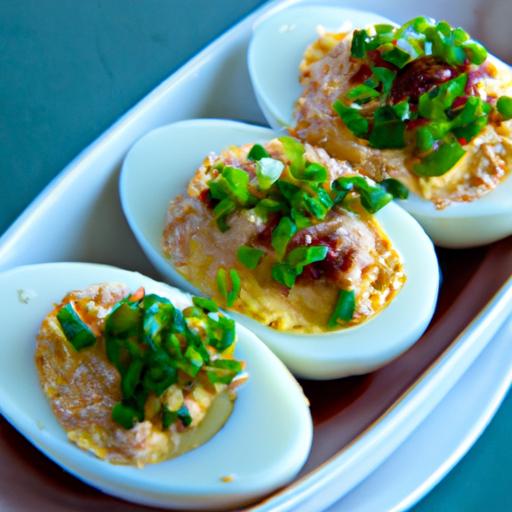
- Serve: Slice eggs in half, sprinkle with toasted sesame seeds, and garnish with fresh cilantro or microgreens.
Tips for Success When Crafting Mayak Eggs
- timing is Key: Aim for the 6-7 minute boil; less time yields creamier yolks, longer will firm up too much.
- Marinade Depth: For stronger flavor, marinate up to 24 hours but avoid longer to prevent eggs becoming overly salty or rubbery.
- customize Heat: Add fresh chili slices or Korean chili flakes (gochugaru) instead of dried for varied spiciness.
- Make-Ahead: These eggs keep well in the marinade for 2-3 days refrigerated, making them an excellent prep-ahead appetizer.
- peeling Hack: Use older eggs for easier peeling and roll gently to avoid damaging the delicate whites.
Creative Serving Suggestions to Elevate Your Mayak Egg Experience
Mayak Eggs shine beautifully as both an appetizer and a versatile ingredient integrated into Korean and fusion dishes. Consider these ideas to inspire:
- Classic Presentation: Serve halved and sprinkled with sesame seeds alongside a bowl of steamed white rice and kimchi for an authentic Korean snack.
- Ramen or Noodle Bowls: Nestle marinated halves atop hot ramen or bibim noodles to add richness and umami layers.
- Salad Enhancer: Chop and toss into spicy korean cucumber salad or mixed greens for textural contrast.
- Bento Boxes: Include as protein-rich, flavorful morsels within a Korean-themed lunch box.
- Toast or Avocado Toast Upgrade: Top creamy avocado toast with sliced Mayak Eggs and a drizzle of gochujang mayo for a fusion twist.
| Nutrient | Per Serving (2 eggs) |
|---|---|
| Calories | 160 kcal |
| Protein | 12 g |
| Carbohydrates | 4 g |
| Fat | 11 g |

Unlock the captivating, savory-sweet allure of Mayak Eggs in your own kitchen today and enjoy one of Korean cuisine’s moast mouthwatering and visually stunning delights.
for further inspiration, explore our collection of Korean side dishes or deepen your understanding of Korean flavors with this authoritative resource from Maangchi.
Q&A
Q&A: Mayak Eggs – Unlocking Korea’s Irresistible Marinated Delight
Q1: What exactly are Mayak Eggs?
A1: Mayak Eggs, translating to “narcotic eggs,” are a beloved Korean culinary treasure. These soft-boiled eggs are marinated in a savory, sweet, and slightly spicy soy sauce blend that infuses each bite with addictive umami flavors-so good, they’re said to be “addictive” like a narcotic!
Q2: Why are they called “Mayak” Eggs?
A2: The name “Mayak” implies something so delicious you can’t get enough of it. In Korean slang, “mayak” means narcotic, referencing the eggs’ irresistible taste that keeps people coming back for more. One bite, and you understand why.
Q3: How are Mayak Eggs prepared?
A3: The magic begins with perfectly soft-boiled eggs, usually cooked for about 6-7 minutes to achieve that custardy yolk core. After peeling, the eggs are soaked in a marinade of soy sauce, garlic, sugar, sesame oil, chili, and sometimes aromatic herbs or green onions. They absorb these flavors over several hours or overnight, resulting in a rich, savory snack with a hint of sweetness and spice.
Q4: What makes Mayak Eggs unique compared to other marinated eggs?
A4: Unlike generic soy eggs that might be salty and plain, Mayak eggs strike a delicate balance between sweet, savory, and spicy. the marinade is thoughtfully composed to enhance the egg’s natural creaminess while layering complex, addictive flavors that dance on the palate. Plus, they frequently enough have a slightly sticky texture from the marinade, making the experience truly special.
Q5: How are Mayak Eggs typically enjoyed in Korean cuisine?
A5: These eggs are versatile gems.they’re served as banchan (side dishes) to accompany rice and other Korean staples, are a popular addition to ramen bowls, or enjoyed as a standalone snack. Because of their swift preparation and long marinade life, they’re also a convenient, flavorful protein option for busy kitchens.
Q6: Can Mayak Eggs be made at home easily?
A6: Absolutely! With just a handful of pantry staples and some patience for the marinade to work its magic, anyone can create Mayak Eggs at home. The key is timing-soft-boil the eggs perfectly and allow them to soak long enough for that signature flavor punch. Homemade Mayak Eggs are a rewarding treat that bring Korean street food vibes right into your kitchen.
Q7: What’s the cultural significance of Mayak Eggs in Korea?
A7: Beyond their deliciousness, Mayak Eggs embody Korea’s love for fermented and marinated foods that transform simple ingredients into flavor powerhouses.They represent the creative spirit of Korean street food culture-accessible, affordable, and endlessly enjoyable. Many Koreans have fond memories of grabbing these eggs from market stalls or convenience stores as quick comfort food snacks.
Q8: Are there variations of Mayak Eggs?
A8: Yes! While the classic marinade is soy-based with hints of garlic and chili, variations might include adding kimchi juice for extra tanginess, incorporating different herbs, or experimenting with spice levels. some modern takes even use truffle oil or other gourmet ingredients to elevate the humble egg into a fusion delicacy.
Q9: What beverage pairs best with Mayak Eggs?
A9: To complement the complex layers of sweet, salty, and spicy in Mayak Eggs, light, crisp beverages work wonders. Traditional Korean rice wine like makgeolli,a cold beer,or even a refreshing barley tea can cleanse the palate and enhance your tasting experience.
Q10: Why should everyone try Mayak Eggs at least once?
A10: As Mayak Eggs are more than just food-they’re a cultural flavor journey wrapped in a simple egg. Their addictive, balanced taste captures the essence of Korean cuisine: bold, comforting, and meticulously crafted. Whether you’re a foodie adventurer or a casual snack lover, unlocking the secret of Mayak eggs opens the door to a new world of marinated delights you won’t want to miss.
concluding Remarks
As the layers of flavor in Mayak Eggs continue to captivate taste buds around the world, this simple yet addictive Korean delicacy proves that sometimes the most irresistible delights come from humble beginnings. Whether enjoyed as a savory snack, a topping to elevate your bibimbap, or a secret ingredient in your culinary adventures, Mayak Eggs unlock a world of bold, balanced, and beautifully marinated goodness. so next time you crave something both comforting and exciting, remember: a bite of mayak Eggs is more than just food-it’s a delicious invitation to explore Korea’s rich and vibrant palate.