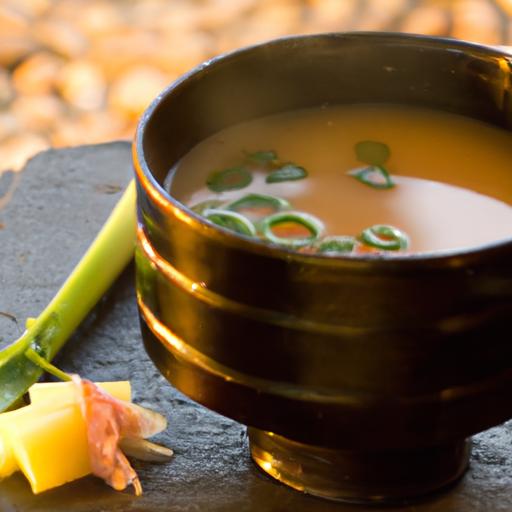

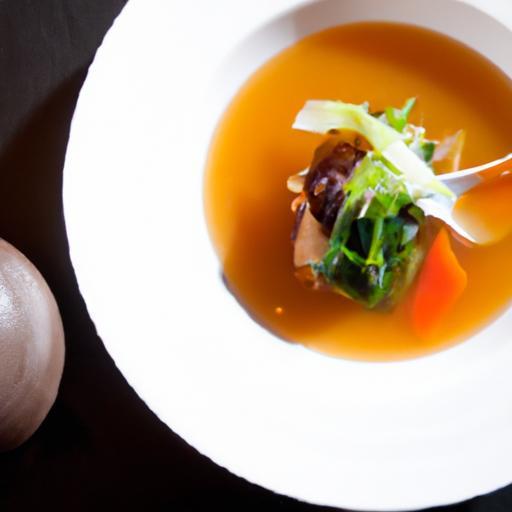
There’s a humble bowl that has quietly warmed hearts and palates across centuries and continents-miso soup. Beyond its simple appearance lies a rich tapestry of flavors, a symphony centered around umami, teh elusive “fifth taste” that transforms every spoonful into a sensory experience. In “Miso Soup Unveiled: A Warm Journey into Umami Bliss,” we embark on an exploration that goes beyond the broth, delving into the history, ingredients, and cultural importance of this iconic Japanese comfort. Prepare to uncover the secrets behind its deep savory essence and discover why miso soup remains a timeless embrace of warmth and flavor in kitchens around the world.
Miso Soup Unveiled invites you to savor the soul-warming depths of conventional Japanese cuisine right from your own kitchen.This humble broth, celebrated for its rich layers of umami, has transcended centuries and borders, offering a comforting and nourishing experience that’s as timeless as it is flavorful. Rooted deeply in Japanese culture, miso soup embodies a harmonious balance of fermented miso paste, dashi stock, and fresh, seasonal ingredients-each element adding a unique note to the symphony of taste. Whether enjoyed as a light breakfast or a perfect companion to a full meal, mastering this soup is a joyful journey into umami bliss.
prep and Cook Time
- Prep Time: 10 minutes
- Cook Time: 15 minutes
- Total time: 25 minutes
Yield
- 4 Servings
Difficulty Level
- Easy
Ingredients
- 4 cups dashi stock (homemade or instant)
- 3 tbsp white miso paste (shiro miso), softened
- 100g silken tofu, diced into ½-inch cubes
- 2 tbsp wakame seaweed, rehydrated and drained
- 2 green onions, finely sliced
- Optional: ½ cup thinly sliced shiitake mushrooms
Instructions
- Prepare the dashi stock: if using instant dashi granules, dissolve them in 4 cups of warm water. For richer results, prepare homemade dashi with kombu and bonito flakes following this reliable guide.
- Heat the stock: Pour the dashi into a medium saucepan and warm over medium heat until steaming but not boiling.
- Add tofu and wakame: Gently add diced tofu and wakame to the warm broth, letting them soften for 2-3 minutes. If using mushrooms, incorporate them now and simmer until tender.
- Incorporate the miso paste: Place the miso paste in a small bowl. Ladle ½ cup of hot broth into the bowl and whisk until smooth. Slowly stir this mixture back into the saucepan over low heat. Avoid boiling to preserve the delicate flavors and probiotics.
- Final touches: Turn off the heat and stir in sliced green onions.
- serve immediately: Ladle the soup into warm bowls and garnish as desired for a cozy presentation.
Tips for Success
- Selecting Miso Paste: opt for white or yellow miso for a mild, sweet flavor, or red miso for a deeper, saltier umami kick. Mixing varieties amplifies complexity.
- Gentle Heating: Never boil miso once added; high heat destroys its nuanced flavor and beneficial enzymes.
- Dashi Variations: Try vegetarian dashi using shiitake and kombu for a plant-based version without losing depth.
- Make Ahead: Prepare dashi stock in advance and store it chilled up to 3 days for quicker assembly.
- Customizable Add-ins: Silken tofu can be swapped with fried aburaage or even clams for extra texture and taste.
Serving Suggestions
Present your miso soup in delicate soup bowls with a sprinkle of finely sliced green onions and a few sesame seeds for a subtle crunch.For an extra touch of elegance, float a few tiny mitsuba leaves or thinly sliced yuzu peel on top to awaken the senses. Pair with steamed rice and grilled fish or serve as a comforting starter to a multi-course Japanese meal.
| Nutrient | Per Serving |
|---|---|
| Calories | 70 kcal |
| Protein | 6g |
| Carbohydrates | 5g |
| Fat | 2g |

Delve deeper into the magic of Japanese flavors by pairing this recipe with our Perfect Japanese Rice for Every Meal guide, and gain a full understanding of what makes classic Japanese cuisine truly unique.
Q&A
Q&A: Miso Soup Unveiled – A Warm Journey into Umami bliss
Q1: What is miso soup, and why is it considered a quintessential Japanese comfort food?
A1: Miso soup is a traditional Japanese broth crafted from fermented soybean paste called miso, combined with dashi-a savory stock made from kombu (kelp) and bonito flakes. Its comforting warmth and rich umami flavor have made it a daily staple in Japanese households, symbolizing nourishment, simplicity, and a deep cultural connection to seasonality and balance.
Q2: What exactly is ”umami,” and how does miso soup deliver this elusive taste?
A2: Umami, often described as the fifth taste alongside sweet, sour, salty, and bitter, is a savory, satisfying flavor that lingers warmly on the palate.Miso soup captures umami through its fermented miso paste and dashi broth, both teeming with glutamates and inosinate compounds that awaken taste receptors and create a profound depth of flavor-a true blissful umami embrace.
Q3: Are there different types of miso, and how do they influence the soup’s flavor profile?
A3: absolutely! Miso comes in a spectrum of hues and tastes: white (shiro) miso is mild and sweet, red (aka) miso is robust and salty, and mixed (awase) miso offers a balanced fusion. Each variety lends its unique character to the soup-from delicate whispers of sweetness to bold, hearty echoes-inviting endless customization and culinary creativity.
Q4: How has miso soup evolved beyond Japan’s borders?
A4: Miso soup has embarked on a global voyage, inspiring chefs and food lovers worldwide to experiment with ingredient swaps and modern twists. From adding exotic mushrooms and tofu to infusing with herbs or fusion spices, this humble broth transcends cultural boundaries while maintaining its essence: a warm, umami-rich embrace that comforts and connects.
Q5: Can miso soup be considered healthy,or is it just a comforting dish?
A5: Miso soup is a nourishing powerhouse! Packed with probiotics from fermentation,vitamins,minerals,and antioxidants,it supports digestion and immunity. Low in calories yet rich in flavor, it’s a heartwarming dish that herbs and health enthusiasts alike celebrate-not just for the soul, but for the body to.
Q6: What’s the best way to prepare authentic miso soup at home?
A6: Start by gently simmering dashi to build a fragrant, umami-rich base. Then, whisk in your choice of miso paste off the heat to preserve its probiotics. add traditional ingredients like silken tofu, wakame seaweed, and scallions. serve hot, savor the aroma, and sip slowly-each spoonful is a step into centuries of culinary tradition.
Q7: What cultural significance does miso soup hold in Japanese daily life?
A7: More than a meal, miso soup is a ritual of harmony and mindfulness in Japanese culture. It accompanies breakfast, lunch, and dinner, anchoring the day with consistent simplicity. Sharing miso soup signifies hospitality and care, embodying the Japanese ideal of “ichiju-sansai” (one soup, three dishes) that promotes balance and wellness in everyday dining.
Miso soup, with its humble origins and profound flavor, invites everyone on a sensory journey-immersed in warmth, tradition, and the sublime magic of umami. Whether you sip it in a quiet Japanese kitchen or reinvent it in your own culinary space, miso soup remains a delicious testament to the art of comfort food.
Closing Remarks
As we draw the lid on our steaming bowl of miso soup, we realize that this humble dish is far more than a simple broth-it’s a gateway into Japan’s rich culinary heritage and the profound art of umami. From its ancient fermentation roots to the comforting warmth it imparts, miso soup invites us to savor not just flavors, but stories steeped in tradition and mindful nourishment. So next time you lift a spoonful,remember: you’re partaking in a timeless journey,one where every sip celebrates the delicate balance of nature,culture,and the joyous pursuit of blissful savor.