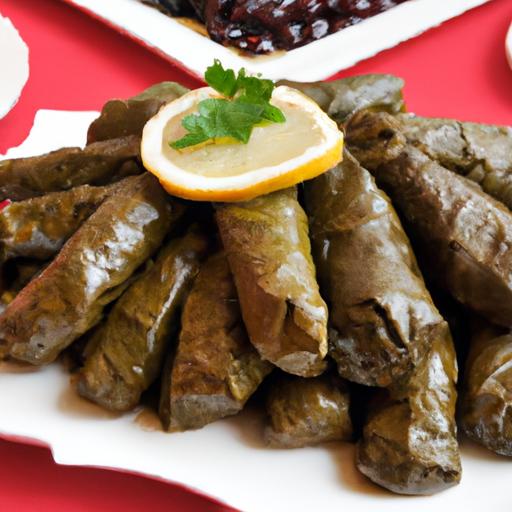

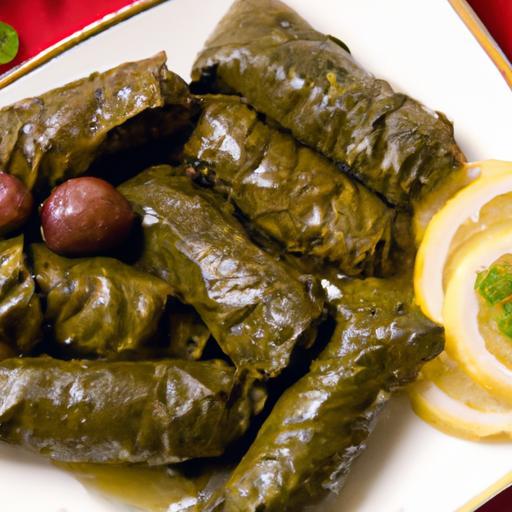
In the vibrant tapestry of Middle Eastern cuisine,few dishes capture the heart and heritage of Lebanon quite like stuffed grape leaves. Known locally as “warak enab,” these delicate parcels of vine leaves wrapped around a flavorful blend of rice, herbs, and sometimes meat, have transcended generations to become a beloved staple both at family gatherings and festive celebrations. More than just a dish, Lebanese stuffed grape leaves embody a timeless culinary tradition-each bite offers a harmonious dance of tangy, savory, and aromatic notes that tell a story of culture, community, and craftsmanship. In this exploration, we delve into the origins, preparation, and enduring allure of this Mediterranean classic that continues to delight palates around the world.
Lebanese Stuffed Grape Leaves are a beloved culinary treasure rooted in centuries of Middle Eastern tradition, where family gatherings and communal celebrations come alive with every bite. This dish, affectionately known as waraq enab in Arabic, marries tender grape leaves with a fragrant, savory filling that represents the harmony of LebanonS vibrant flavors and rich agricultural heritage. From coastal villages to bustling city kitchens, the art of preparing these delicate rolls is a ritual passed down through generations, symbolizing hospitality, patience, and love.
Prep and Cook Time
- Preparation: 45 minutes
- Cooking: 1 hour 15 minutes
- Total Time: 2 hours
Yield
Makes approximately 40 stuffed grape leaves, ideal for 8 servings as an appetizer or mezze.
Difficulty Level
Medium – Requires some patience for rolling and attentive cooking.
Ingredients
- 1 jar (about 30 oz) grape leaves in brine, rinsed and drained
- 1 ½ cups long-grain rice, rinsed and drained
- 1 large onion, finely chopped
- 1 cup fresh parsley, finely chopped
- ½ cup fresh mint leaves, finely chopped
- ½ cup olive oil, divided
- 3 medium tomatoes, finely diced
- 1 lemon, juiced (about ¼ cup lemon juice)
- 2 teaspoons allspice
- 1 teaspoon cinnamon
- 1 teaspoon salt, or to taste
- ½ teaspoon black pepper
- 2 cups vegetable or chicken broth
- 1 garlic clove, minced (optional)
Instructions
- Prepare the filling: In a large skillet, heat ¼ cup olive oil over medium heat. Sauté the finely chopped onions until translucent and slightly golden, about 5 minutes. Add the rice and stir gently for 2 minutes to coat each grain in oil.
- Add seasonings and tomatoes: Stir in the diced tomatoes, allspice, cinnamon, salt, and pepper. Cook for another 5 minutes, allowing the tomatoes to soften and meld with the spices.
- Mix fresh herbs: Remove from heat and stir in the parsley, mint, and lemon juice. This fresh herb mixture brightens the filling and adds that signature Lebanese vibrancy.
- Prepare the grape leaves: Carefully separate the leaves and rinse under cool water to remove excess brine. Pat dry with a kitchen towel. Trim thick stems to make rolling easier.
- Stuff and roll: Place a leaf shiny-side down. position a teaspoon of filling near the stem end, fold the sides over, then roll tightly towards the tip, creating a neat cylinder (about 1 inch thick). Repeat until all filling is used.
- Arrange in pot: Line the bottom of a heavy pot with leftover or torn grape leaves to prevent sticking. Layer the stuffed rolls seam-side down, packing tightly in concentric circles.
- Cook gently: Drizzle with remaining ¼ cup olive oil and pour broth over the rolls until just covered. Place a heavy plate on top to weigh down the rolls and prevent unraveling. Bring to a gentle simmer, cover, and cook for 1 hour on low heat.
- Rest and serve: Allow the stuffed grape leaves to cool in the pot for 20 minutes before transferring to a serving dish. This resting step helps the rice to fully absorb the flavors and firm up.
Tips for Success
- Choose fresh grape leaves when possible; if using jarred, rinse thoroughly to reduce saltiness.
- Use medium-grain rice for better texture that holds together without becoming mushy.
- Do not overfill the leaves; a smaller amount ensures easier rolling and better cooking.
- If you prefer a vegetarian version, swap the broth with vegetable stock and omit garlic.
- Make ahead: These can be refrigerated for up to 3 days or frozen for up to 2 months. Reheat gently in a covered pan with a splash of broth.
Serving Suggestions
Present your Lebanese stuffed grape leaves on a vibrant platter, drizzled with fresh lemon juice and sprinkled with toasted pine nuts for an elegant crunch. Accompany with cool sides like creamy tahini sauce or tangy labneh to balance the earthiness of the dish. fresh mint leaves or pomegranate arils add bursts of color and freshness, making this mezze a feast both for the eyes and palate.

| Nutrient | Per Serving |
|---|---|
| Calories | 180 kcal |
| Protein | 4 g |
| Carbohydrates | 28 g |
| Fat | 6 g |
Q&A
Q&A: Lebanese Stuffed Grape leaves – A Timeless Culinary Delight
Q1: what are Lebanese stuffed grape leaves, and why are they considered a culinary treasure?
A1: lebanese stuffed grape leaves, known locally as “wara’ enab,” are tender grape leaves lovingly wrapped around a savory filling of rice, herbs, and sometimes ground meat. They embody centuries of tradition, blending vibrant flavors and textures into a bite-sized marvel. This dish is more than just food; it’s a symbol of hospitality, heritage, and the art of Lebanese home cooking passed through generations.
Q2: What ingredients make lebanese stuffed grape leaves unique compared to other variations?
A2: What sets Lebanese stuffed grape leaves apart is the harmonious balance of fragrant herbs-such as parsley and mint-combined with the subtle zest of lemon juice that brightens every bite.The rice is often cooked with a mix of onions and mild spices, creating a filling that’s flavorful yet delicate. Whether vegetarian or enriched with minced lamb or beef, the stuffing offers a distinct, fresh experience found in Lebanese kitchens.
Q3: How is the preparation of stuffed grape leaves a reflection of Lebanese culture?
A3: Preparing stuffed grape leaves is a labor of love, typically a communal event where family members gather to roll leaves, exchange stories, and celebrate togetherness. This ritual not only preserves the recipe but also strengthens bonds. The patience and care invested in each roll exemplify the Lebanese value of hospitality-where every guest is treated like family and every meal is a cherished occasion.
Q4: Can stuffed grape leaves be served in different ways throughout a Lebanese meal?
A4: absolutely! Lebanese stuffed grape leaves are wonderfully versatile. They can be served warm or cold, as part of a mezze platter alongside hummus and tabbouleh, or as a main course with a drizzle of tangy yogurt sauce. Their refreshing lemony tang makes them a perfect appetizer, while their satisfying texture can shine as a centerpiece in celebratory feasts.
Q5: What tips can beginners follow to master the art of rolling grape leaves?
A5: Start with tender, fresh grape leaves-if using jarred ones, rinse them gently to remove excess salt. Place a small spoonful of filling near the stem end,fold in the sides,and roll tightly but gently to avoid tearing. Think of it as wrapping a delicate, appetizing packet-secure yet graceful. With practice, your hands will develop the rhythm, and rolling stuffed grape leaves will feel as natural as a cherished family tradition.
Q6: Why have Lebanese stuffed grape leaves stood the test of time?
A6: Their enduring appeal lies in their simplicity, adaptability, and soulful connection to lebanese identity. Each bite tells a story of land, family, and flavor woven together. As Lebanese communities spread worldwide, these stuffed grape leaves continue to unite people around tables, celebrating culture and comfort with every roll. They are, indeed, a timeless culinary delight.
Closing Remarks
From the sun-kissed vineyards of Lebanon to tables around the world, stuffed grape leaves remain a testament to the country’s rich culinary heritage and unwavering love for communal feasting. Each tender roll, bursting with fragrant rice, herbs, and savory fillings, tells a story of tradition passed down through generations-an edible bridge connecting past and present. Whether enjoyed as a humble homemade appetizer or a celebrated dish at festive gatherings, Lebanese stuffed grape leaves invite us all to savor more than just food; they offer a taste of culture, history, and the timeless joy of sharing a meal.So next time you unwrap one of these delicate parcels, remember you’re partaking in a culinary delight that has lovingly stood the test of time.