
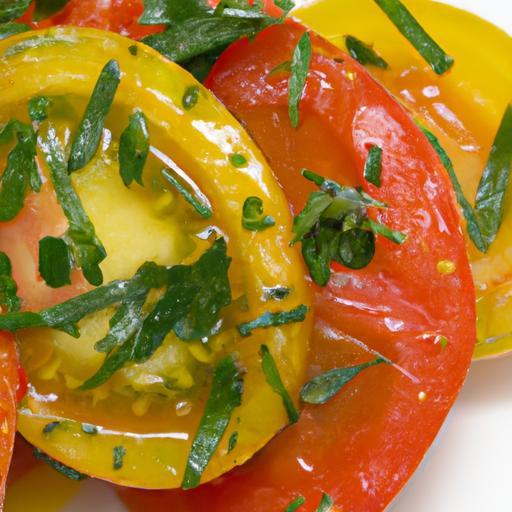
There’s something magical that happens when simple ingredients meet patience in the kitchen. Slow-roasting tomatoes with a generous drizzle of olive oil and a sprinkle of fresh basil transforms humble fruit into a luscious, flavor-packed masterpiece. This isn’t just about cooking-it’s a sensory journey where sweetness deepens, acidity softens, and aromas awaken memories of sun-soaked Mediterranean afternoons. Join us as we explore the art and science behind slow-roasted tomatoes,revealing how this timeless technique elevates everyday flavors into something extraordinary.
Slow-Roasted Tomatoes with Olive Oil & Basil: A Flavor Journey
Slow-roasted tomatoes with olive oil & basil embody a sublime balance of sweetness and earthiness, where time and temperature coax deep, concentrated flavors from each juicy segment. This culinary technique has roots in Mediterranean traditions, celebrating the humble tomato’s transformation into a gourmet delight that’s both rustic and refined.Whether draped over crusty bread, nestled alongside creamy burrata, or folded into handmade pasta, these tomatoes promise to elevate any dish with their rich complexity and vibrant aroma.
Prep and Cook Time
- Preparation Time: 15 minutes
- Roasting Time: 4 hours
- Total Time: 4 hours 15 minutes
Yield
Approximately 3 cups of slow-roasted tomatoes, serving 6 as a flavorful condiment or side
Difficulty Level
Easy – perfect for home cooks seeking an effortless, yet remarkable flavor boost
Ingredients
- 2 pounds ripe Roma tomatoes, halved lengthwise
- 1/3 cup extra virgin olive oil (choose a fruity or peppery variety for depth)
- 4 cloves garlic, thinly sliced
- 1 teaspoon sea salt
- 1/2 teaspoon freshly ground black pepper
- 1 tablespoon fresh thyme leaves
- 1 cup fresh basil leaves, torn, for garnish
- 1 teaspoon crushed red pepper flakes (optional for warmth)
Instructions
- Preheat your oven to 225°F (105°C). Using a low-and-slow heat method ensures the tomatoes develop a luxuriously sweet and savory profile without burning.
- Prepare the tomatoes: Place the halved tomatoes cut-side up on a rimmed baking sheet lined with parchment paper. Arrange them close, but not touching.
- Drizzle liberally with the extra virgin olive oil, ensuring each tomato half is generously coated to enhance caramelization and prevent drying.
- Sprinkle the garlic slices, fresh thyme, sea salt, black pepper, and, if using, red pepper flakes evenly over the tomatoes. These aromatics intensify the flavor layers while roasting.
- Roast uncovered in the oven for about 4 hours, or until tomatoes are shriveled, tender, and jammy, with edges slightly caramelized but not burnt. Rotate the tray halfway through for even cooking.
- Remove from the oven and allow the tomatoes to cool slightly. Taste and adjust seasoning if necessary.
- Garnish with the torn fresh basil leaves just before serving to add a fresh herbal brightness that contrasts beautifully with the concentrated tomato essence.
- Serve warm or at room temperature,spooned over crostini,stirred into pasta,or atop roasted meats for a gourmet finish.
Tips for Success
- Choosing tomatoes: Select firm, ripe Roma or plum tomatoes-they have fewer seeds and thicker flesh that roasts beautifully.
- Olive oil matters: Use a high-quality extra virgin olive oil with robust flavor. A peppery or fruity variation gives an extra punch that enhances the slow-roasted tomatoes beautifully.
- Flavor variations: Swap thyme for oregano or rosemary for a different herbaceous layer, or add a splash of balsamic vinegar before roasting for sweetness and tang.
- Storage: Refrigerate the cooled tomatoes in an airtight container for up to 5 days or freeze portions in ice cube trays to preserve flavor for later recipes.
- Make-ahead: Slow-roasted tomatoes can be prepared days in advance, making them an ideal choice for entertaining or meal prep without sacrificing freshness.
Serving Suggestions
- Serve spooned atop creamy burrata or fresh mozzarella drizzled with balsamic glaze for a spectacular appetizer.
- Mix into freshly cooked pasta with a handful of Parmesan shavings and a drizzle of olive oil for an easy weeknight meal.
- Use as a vibrant topping for grilled chicken or fish to add layers of flavor and color.
- Layer inside toasted baguette slices with goat cheese and arugula for a gourmet open-faced sandwich.
- Garnish with microgreens, toasted pine nuts, or a sprinkle of flaky sea salt for added texture and luxury.

| Nutrient | Per 1/2 Cup Serving |
|---|---|
| Calories | 90 |
| Protein | 2g |
| Carbohydrates | 6g |
| Fat | 7g |
For those craving more fresh herb inspiration,explore our article on Fresh Herb pairings for Mediterranean Dishes. To learn the science behind olive oil selections and their culinary impact, visit International Olive Oil Council.
Q&A
Q&A: Slow-Roasted Tomatoes with Olive Oil & Basil – A Flavor Journey
Q1: What makes slow-roasting tomatoes different from other cooking methods?
A1: Slow-roasting tomatoes gently concentrates their natural sweetness and intensifies their umami flavor without the bitterness that high heat can sometimes produce. Unlike swift roasting or sautéing, the low-and-slow method allows the tomatoes to caramelize gradually, developing layers of complexity that dance on your palate with every bite.
Q2: Why pair slow-roasted tomatoes with olive oil and basil?
A2: Olive oil acts as the luscious canvas that carries the rich, roasted tomato essence, while fresh basil adds a bright, herbaceous contrast-a fragrant whisper of summer. Together, they create a harmonious flavor trio that is both comforting and vibrant, elevating the humble tomato into a culinary masterpiece.
Q3: Can any type of tomato be used for slow-roasting?
A3: While cherry and plum tomatoes are popular for their sweetness and size,the slow-roasting technique works beautifully with any tomato variety. Heirlooms, beefsteaks, or Roma tomatoes each bring unique textures and flavors, offering endless exploration on your flavor journey.Q4: How long should tomatoes be slow-roasted for optimal flavor?
A4: Patience is key! typically, slow-roasting at 225°F (about 110°C) for 2 to 3 hours coaxes out the best texture and taste. This gentle process allows moisture to evaporate slowly, concentrating flavors without drying them out completely.
Q5: What are the best ways to enjoy slow-roasted tomatoes with olive oil and basil?
A5: The possibilities are deliciously diverse! Slather them on toasted bread for a rustic bruschetta, fold them into fresh pasta, or use as a topping for grilled chicken or fish. Their intense flavor also makes a sumptuous addition to salads, sandwiches, or even as a pizza topping.
Q6: Can I prepare slow-roasted tomatoes in advance?
A6: Absolutely! These tomatoes keep wonderfully in the refrigerator for up to a week when stored in olive oil, which also acts as a preservative.This makes them perfect for meal prep or an unexpected burst of flavor anytime you crave a taste of sun-kissed summer.
Q7: Any tips for elevating this dish further?
A7: experiment with finishing touches like a sprinkle of flaky sea salt, a drizzle of balsamic glaze, or a twist of freshly cracked black pepper. For an indulgent twist, add finely grated Parmesan or a scattering of toasted pine nuts to introduce texture and depth.
Q8: What’s the story behind the flavor journey of slow-roasted tomatoes?
A8: This dish is a festivity of transformation-simple ingredients evolving through time and care into a complex symphony of tastes. It invites you to slow down, savor each moment, and discover how patience and passion can turn the everyday into something extraordinary.
The Conclusion
As the final notes of this flavor journey settle on your palate, the slow-roasted tomatoes-bathed in golden olive oil and kissed by fragrant basil-remind us that patience is truly the secret ingredient.Beyond their vibrant taste and luscious texture, these humble fruits reveal the magic that unfolds when time and care meet simple, quality ingredients. Whether served as a savory topping, a hearty side, or a bright addition to salads and pastas, slow-roasted tomatoes invite you to savor every moment and every bite. So next time you seek depth and warmth in your cooking, remember: sometimes, the best flavors are the ones worth waiting for.